Day 9
Wednesday, July 1, 2026
Victoria Falls to Hwange National Park, Zimbabwe
▶ Watch the videos from this day
| Morning | The wish list. Then the road — four hours of it. |
|---|---|
| Midday | The Big Tree. Twelve hundred years old. |
| Afternoon | Arrive Hwange Safari Lodge, on its waterhole. |
| Late | The first game drive. Lions. |
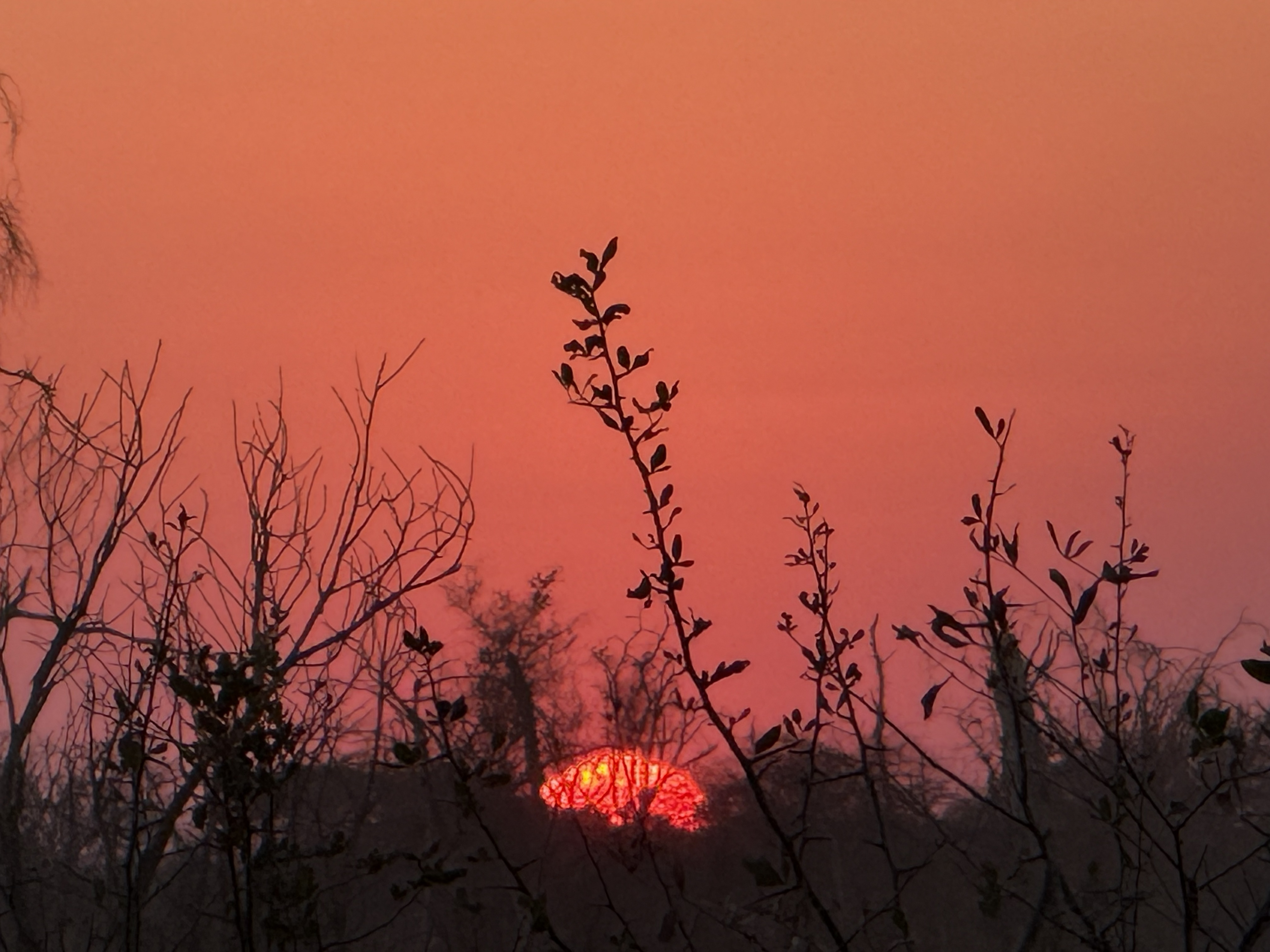
| Sunset | And the light goes out over the bush. |
The Wish List
Before the first game drive, Dylan went around the vehicle and asked each of us the same question: if you could see one animal on this trip, what would it be? It is a good question, and it produces a revealing set of answers. Debbie said hippos. I said painted dogs — African wild dogs, the one common large mammal I had somehow never seen, the animal I actually came for. Somebody said leopard, which is a reasonable thing to want and an unreasonable thing to expect. And several people said elephants. I want to be gentle about this, because they were lovely people and it was their first safari. But — elephants? You are in Zimbabwe and Botswana, which between them hold the largest elephant population on earth, on a tour whose own brochure promises elephant herds, and the animal you are worried about missing is the elephant? That is like going to the ocean and hoping to see water. You could not miss an elephant here if you tried. You will, in fact, spend part of this trip actively wishing there were slightly fewer elephants in the road. But I kept that to myself, mostly, and we set off.
The Road
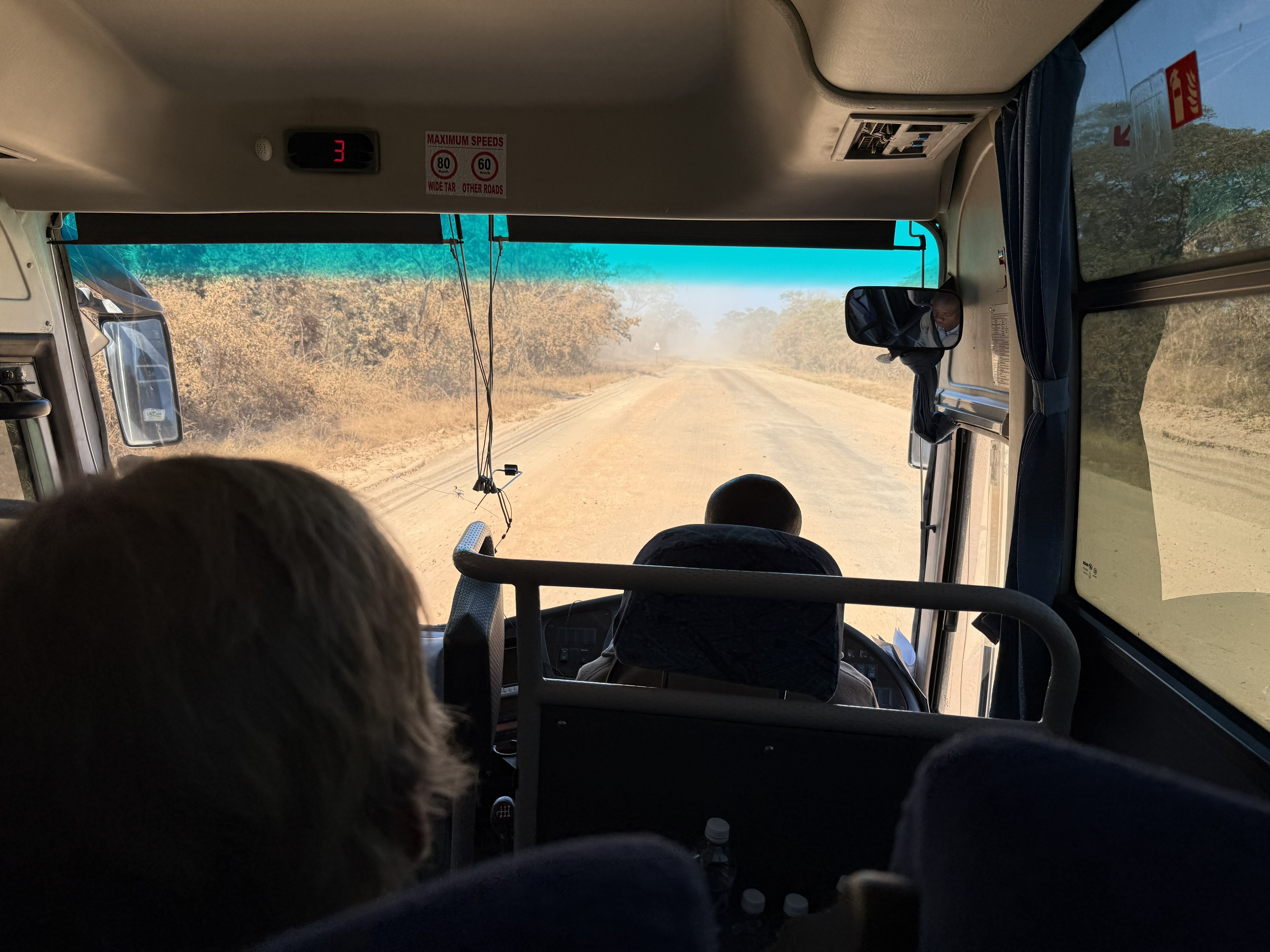
Nobody warns you about the road. Hwange is not far from Victoria Falls as the crow flies, but we are not crows, and the road is a rutted, dusty, cratered ordeal that turned a short distance into four hours. Our driver was genuinely skilled — slowing for the deep holes, picking a line across the washboard, keeping a coach full of Americans more or less upright — and it was still four hours of being shaken like a paint can.
The drivers all had the same name for it: an African massage. Every one of them made the joke, and every one of them was right.
I did get one photograph, though it does not do the road justice — and this was not even the worst of it.
The Big Tree
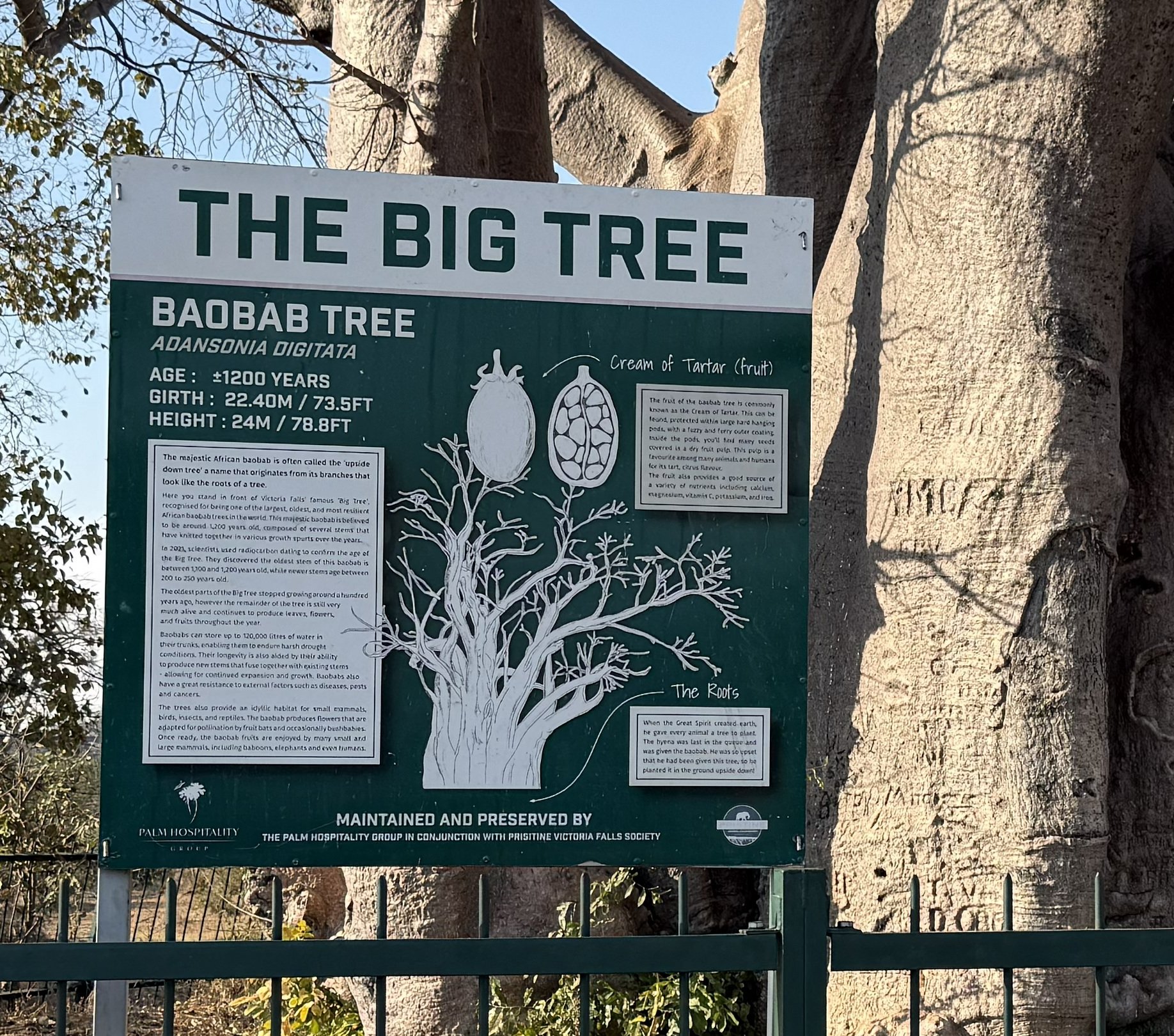
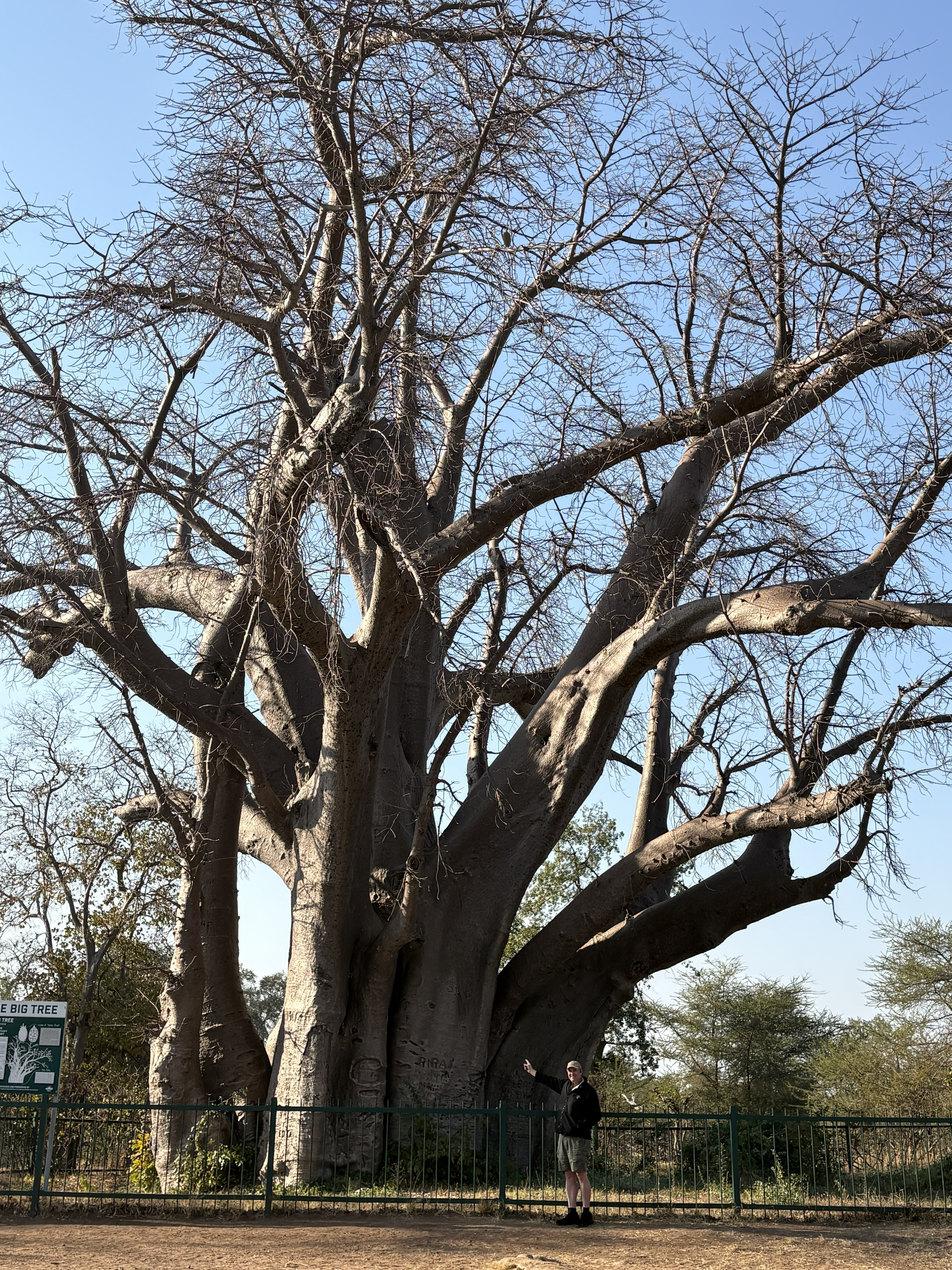
We stopped, on the way, at a tree. That undersells it. We stopped at the Big Tree — a baobab, one of the oldest living things any of us had ever stood next to, fenced off and signed and genuinely staggering in person.
Hwange Safari Lodge
We reached the Hwange Safari Lodge in the afternoon — and I have no photograph of it, which I regret, because it is exactly the kind of place that deserves one. It sits on the edge of a large waterhole, and the whole design of the lodge points at that water. The rooms look at it, the lawn runs down toward it, the bar faces it, and the animals come and go all day as they please — elephants and impala and baboons drifting in to drink while you have your breakfast, close enough to watch without moving from your chair. We had barely arrived before we spotted our first impala grazing in the brush behind the lodge, which was the first of many hundred.
The First Game Drive
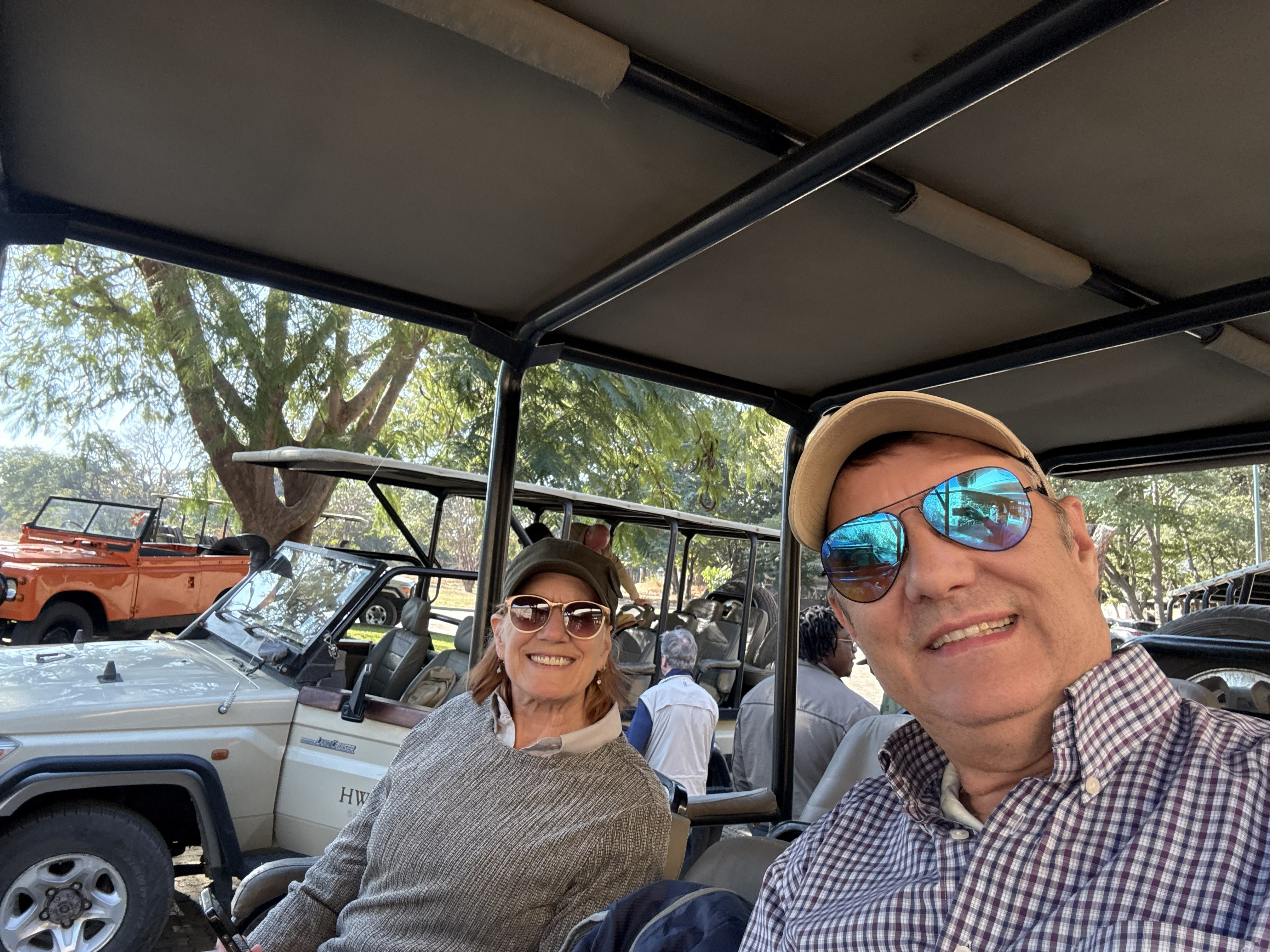
Our driver and guide for Hwange — for both days of it — was Lazarus. He introduced himself with a built-in mnemonic: “Lazarus,” he said, “not the one who rose from the dead.” You would think a man handing you a biblical memory aid, free of charge, would be impossible to forget. You would be wrong. I lost it anyway, and had to text Dylan weeks later to recover it, which is a small and permanent embarrassment I have chosen to record here rather than hide. He met the jeeps at the lodge, drove us to the park gate and in through it, and spent the next two days finding us animals with the quiet, unshowy competence of someone who has been doing this his whole life. (The second jeep, carrying the other half of our group, had Bryan.) And then the park delivered. It began, as everything in this part of the world begins, with impala — so many, so early, that by the end of the trip we would stop pointing them out at all.
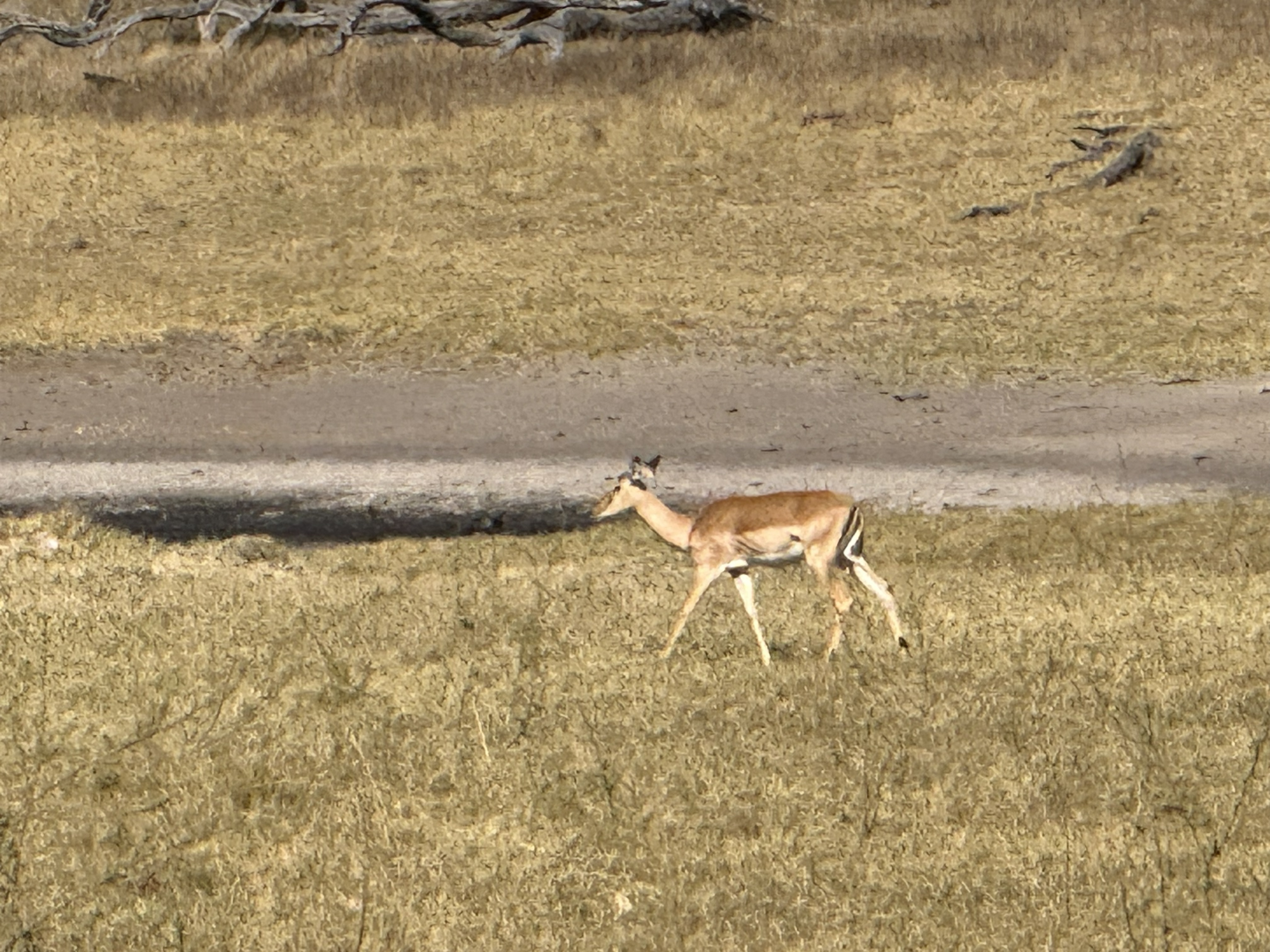
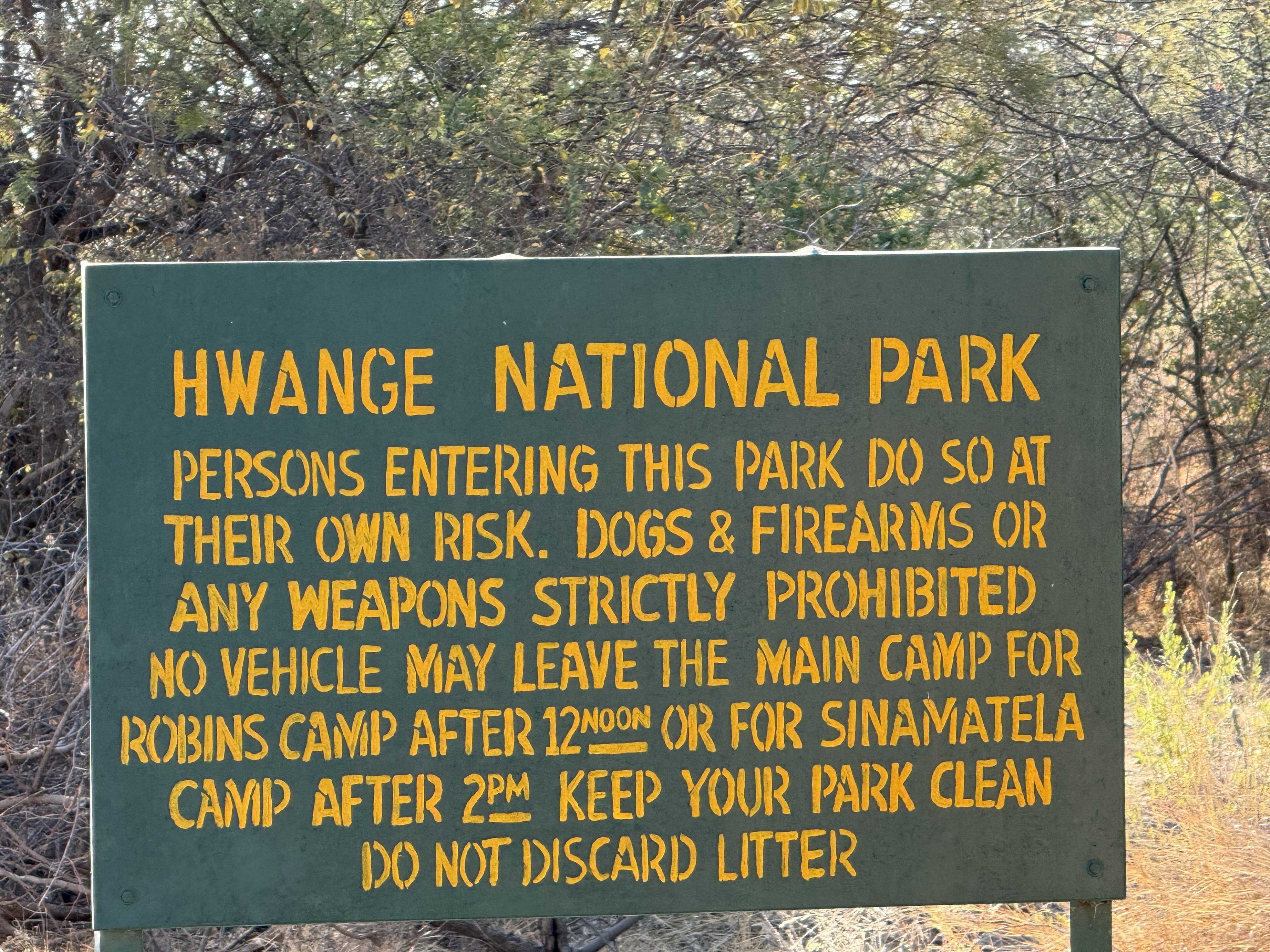
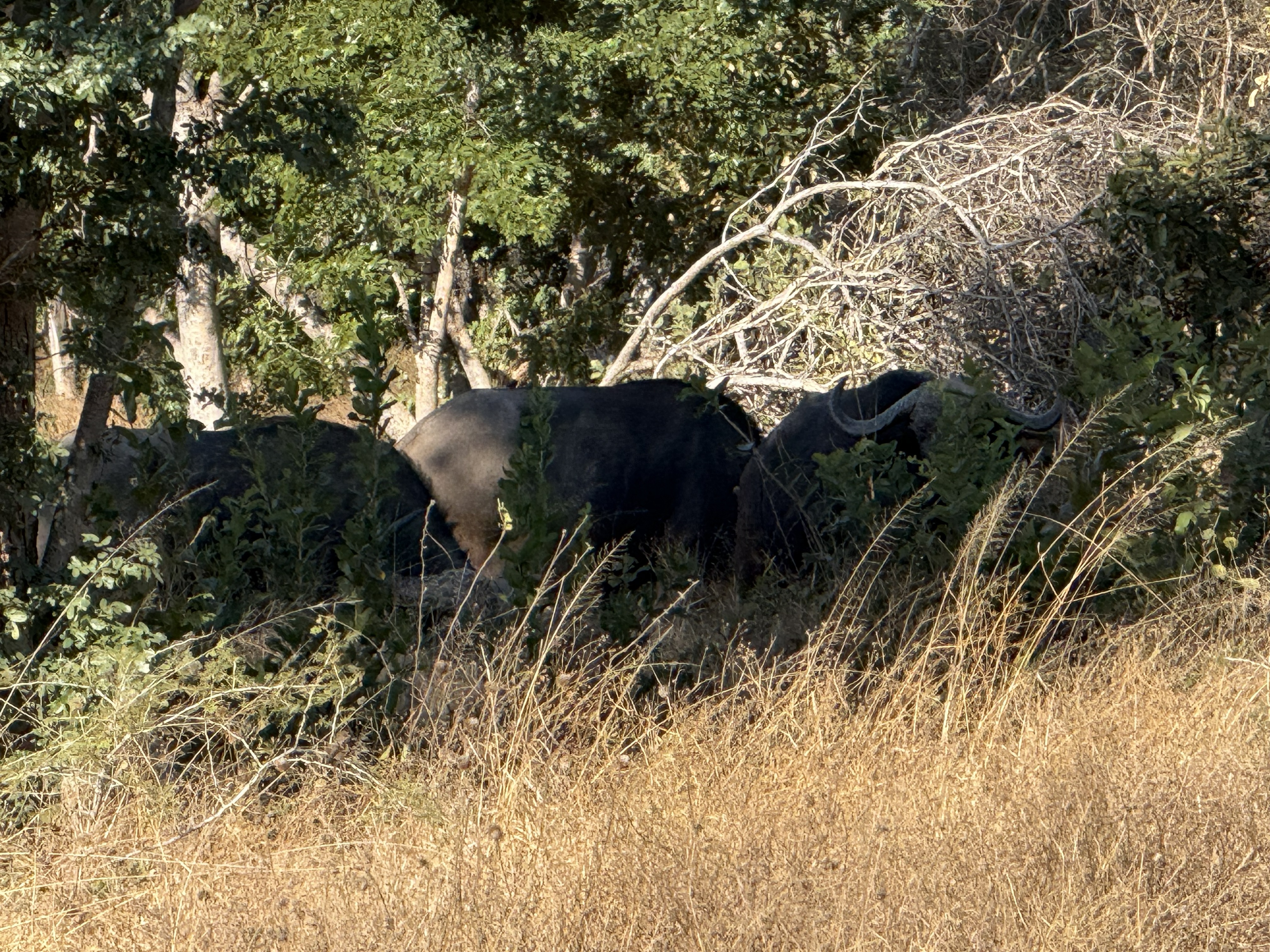
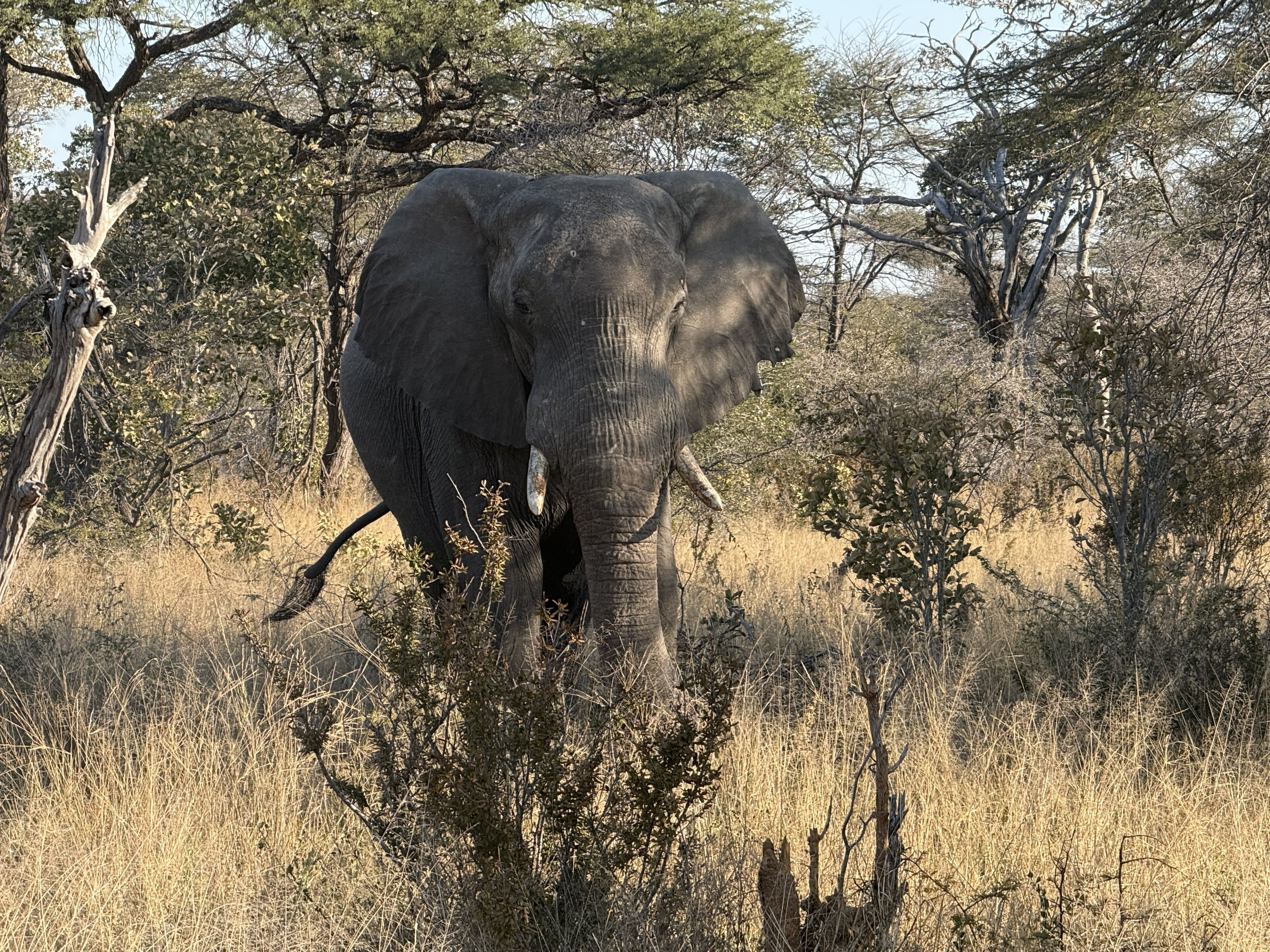
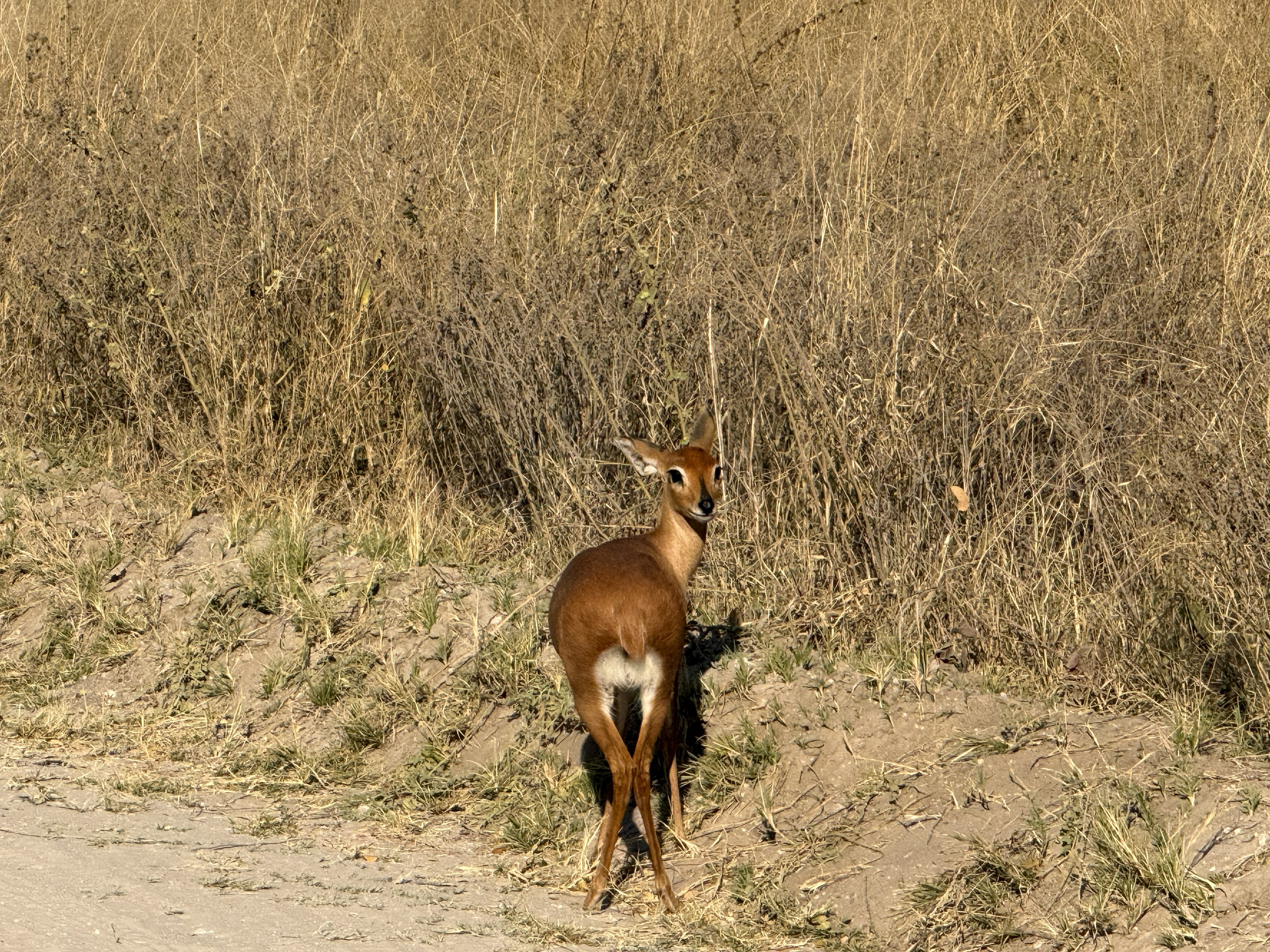
Then the park started handing us animals. A Cape buffalo, black and enormous and entirely unimpressed. An elephant — one of the ones the worried travelers need not have worried about. A steenbok, tiny and alone at the roadside. And then, around a bend, the thing that made the afternoon.
The Lions
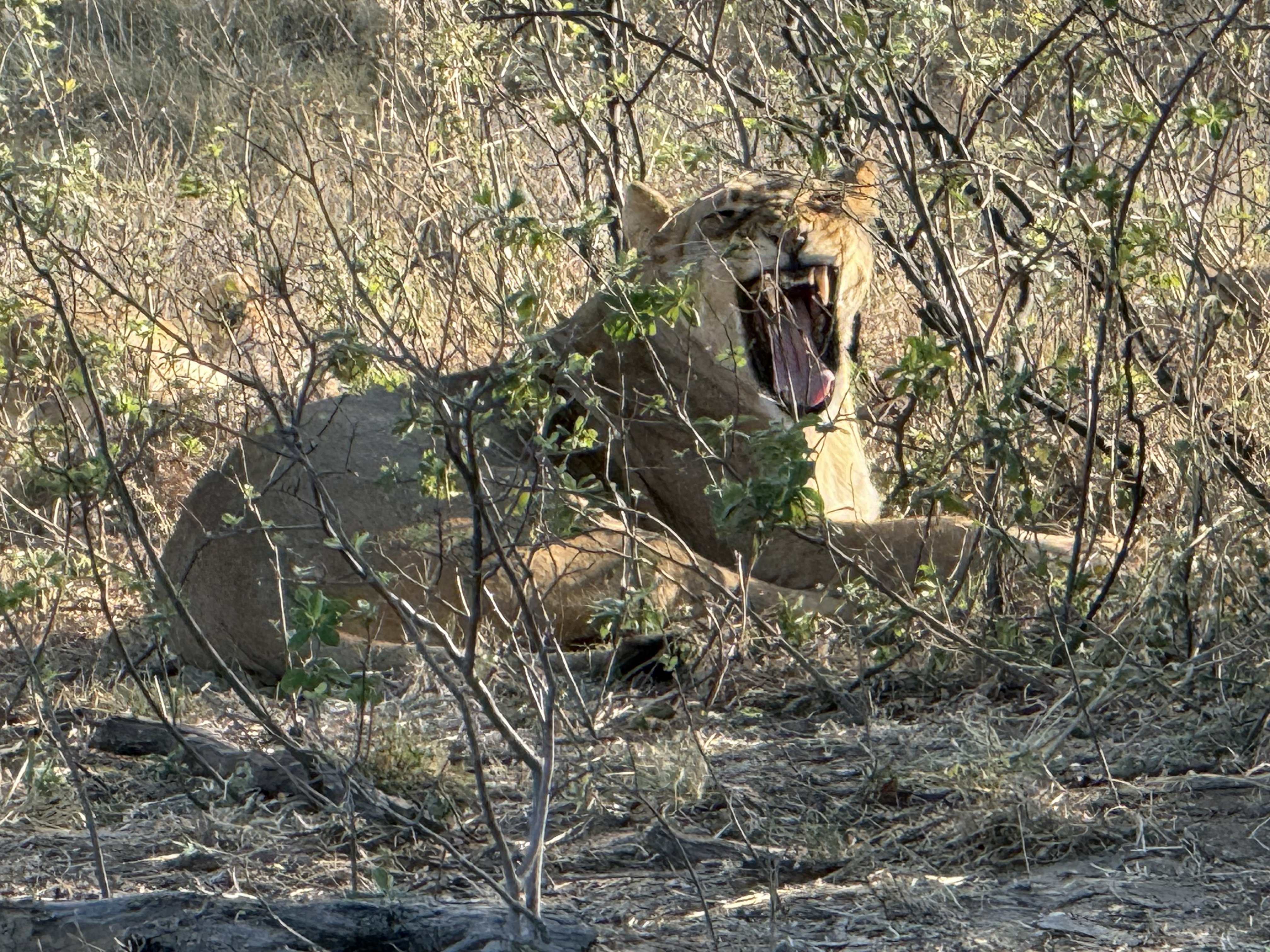
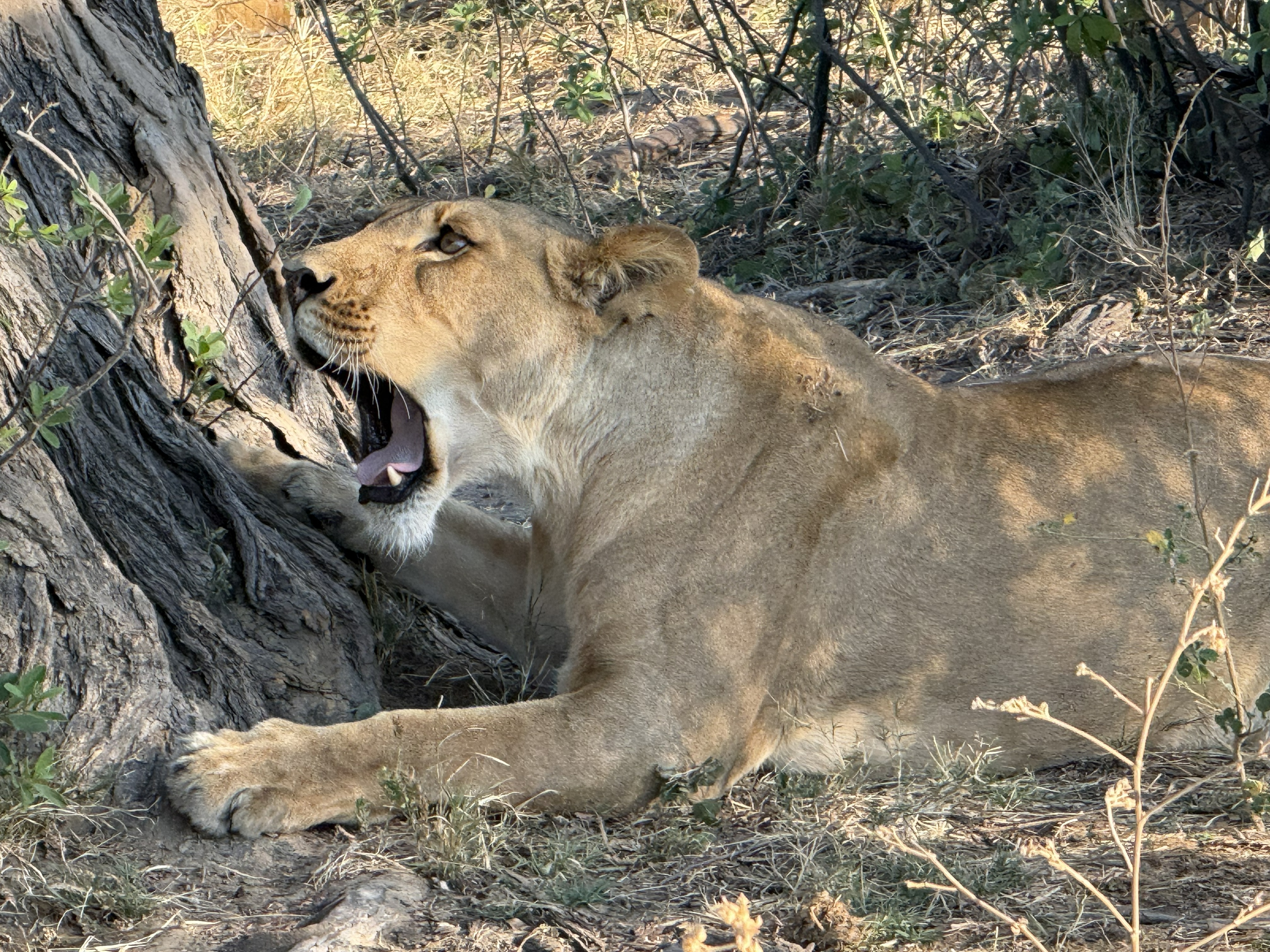
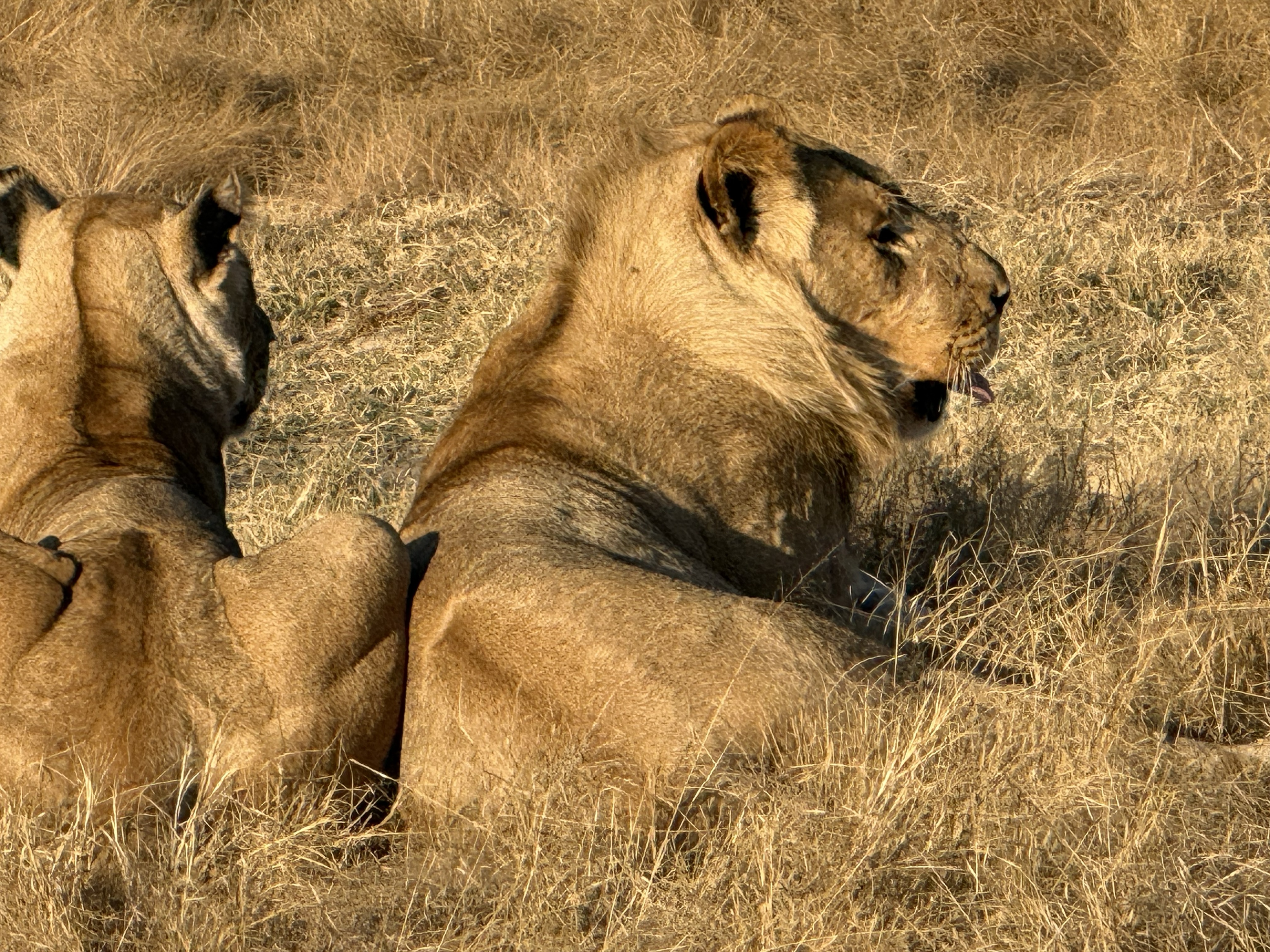
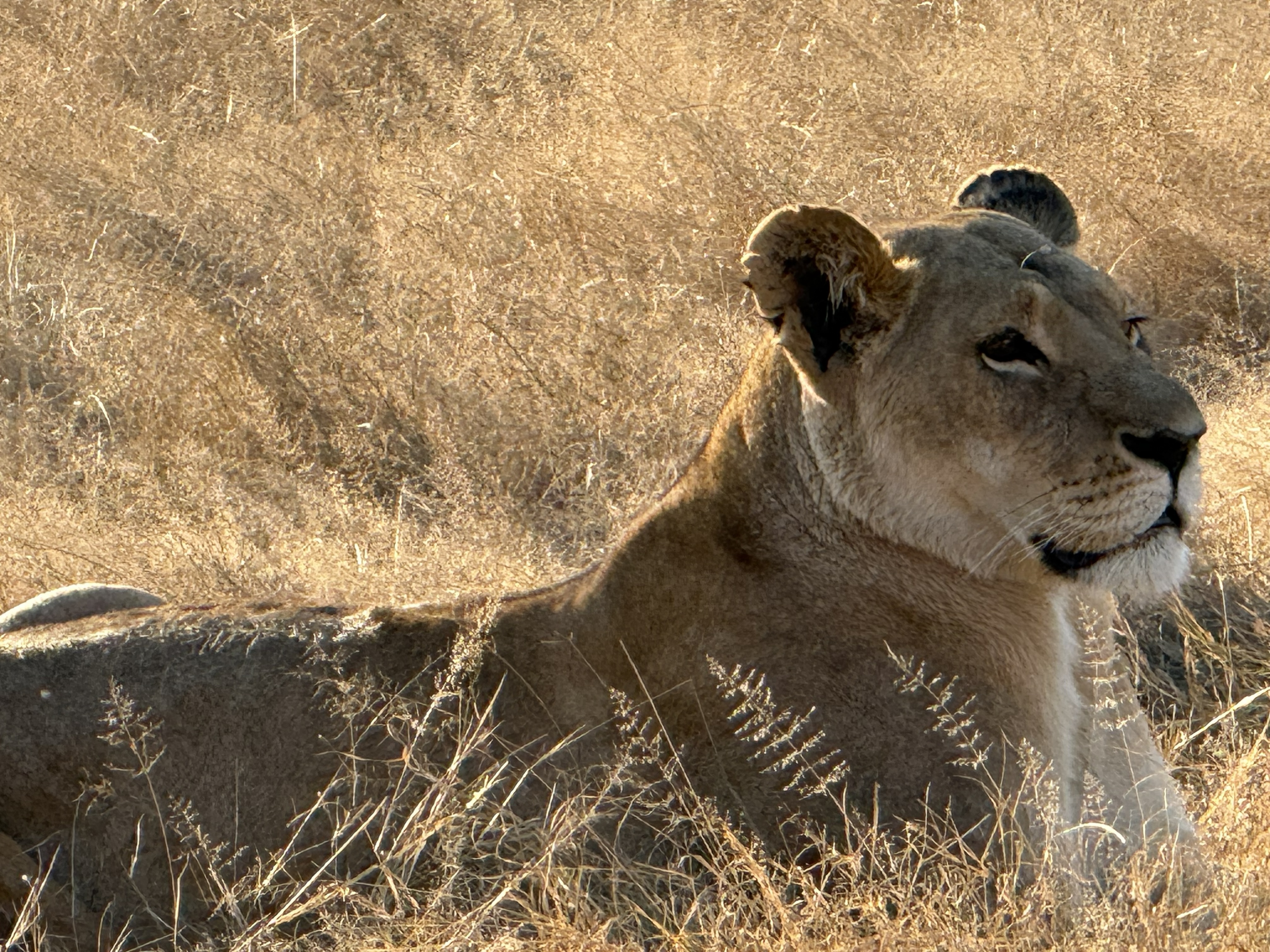
We came around a corner and there was a pride of lions. At first they did nothing at all, which is what lions mostly do. They were flat in the grass, a heap of tawny bodies, asleep or near enough. And then, slowly, over what must have been half an hour, the whole pride came awake in front of us — and it happened in stages, like a piece of theater.
Then the females got up and began to move, unhurried, along the road.
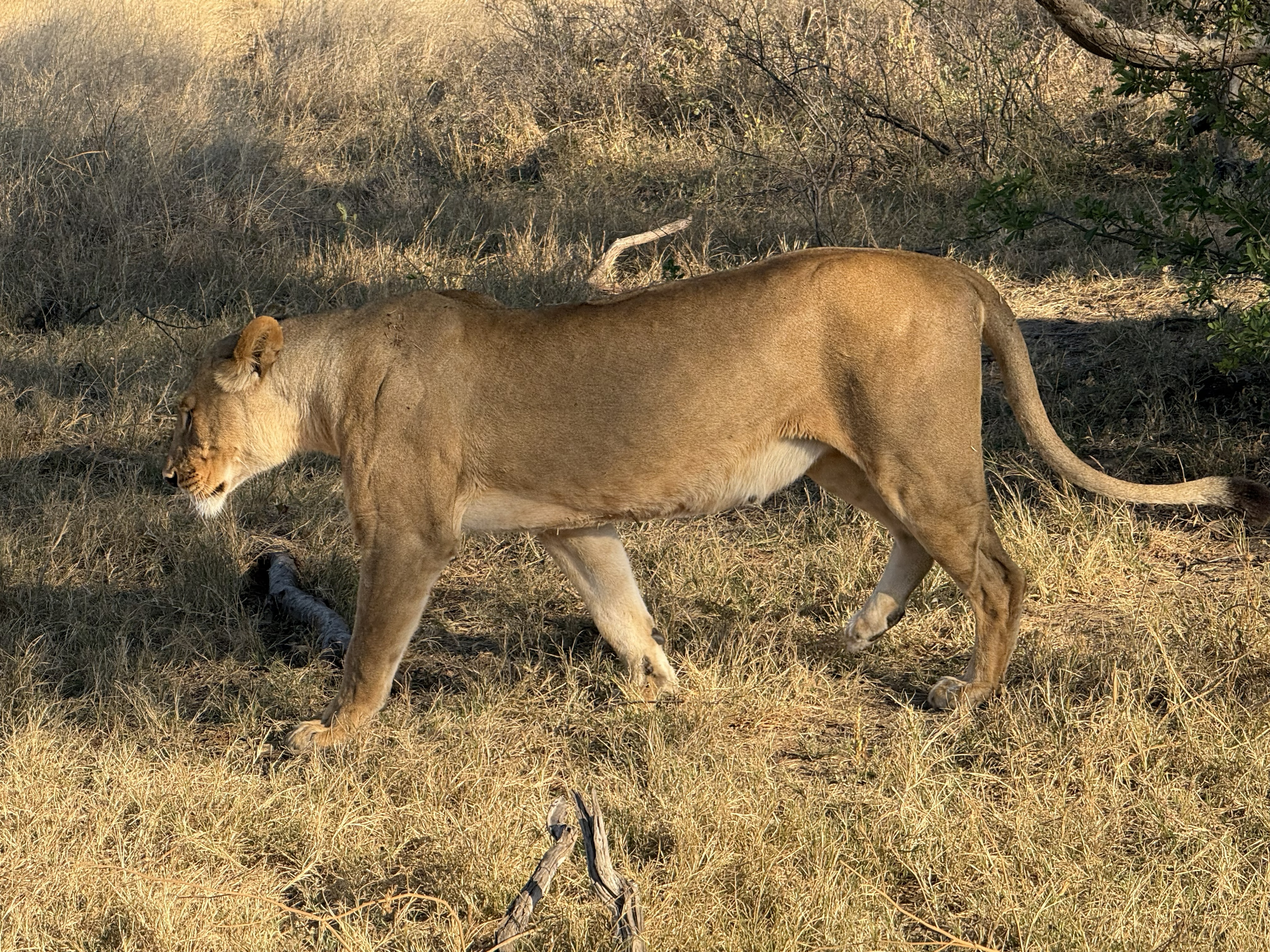
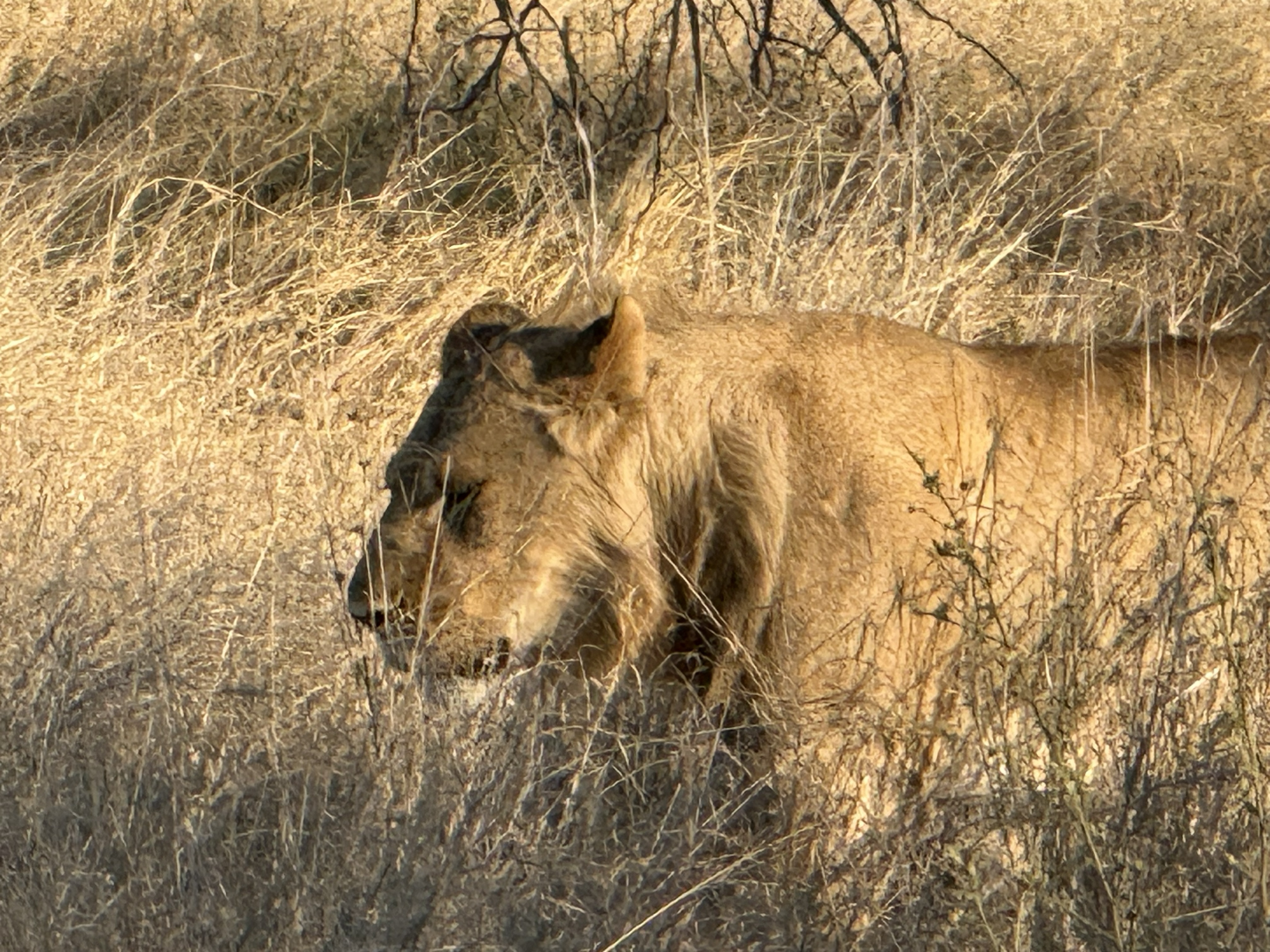
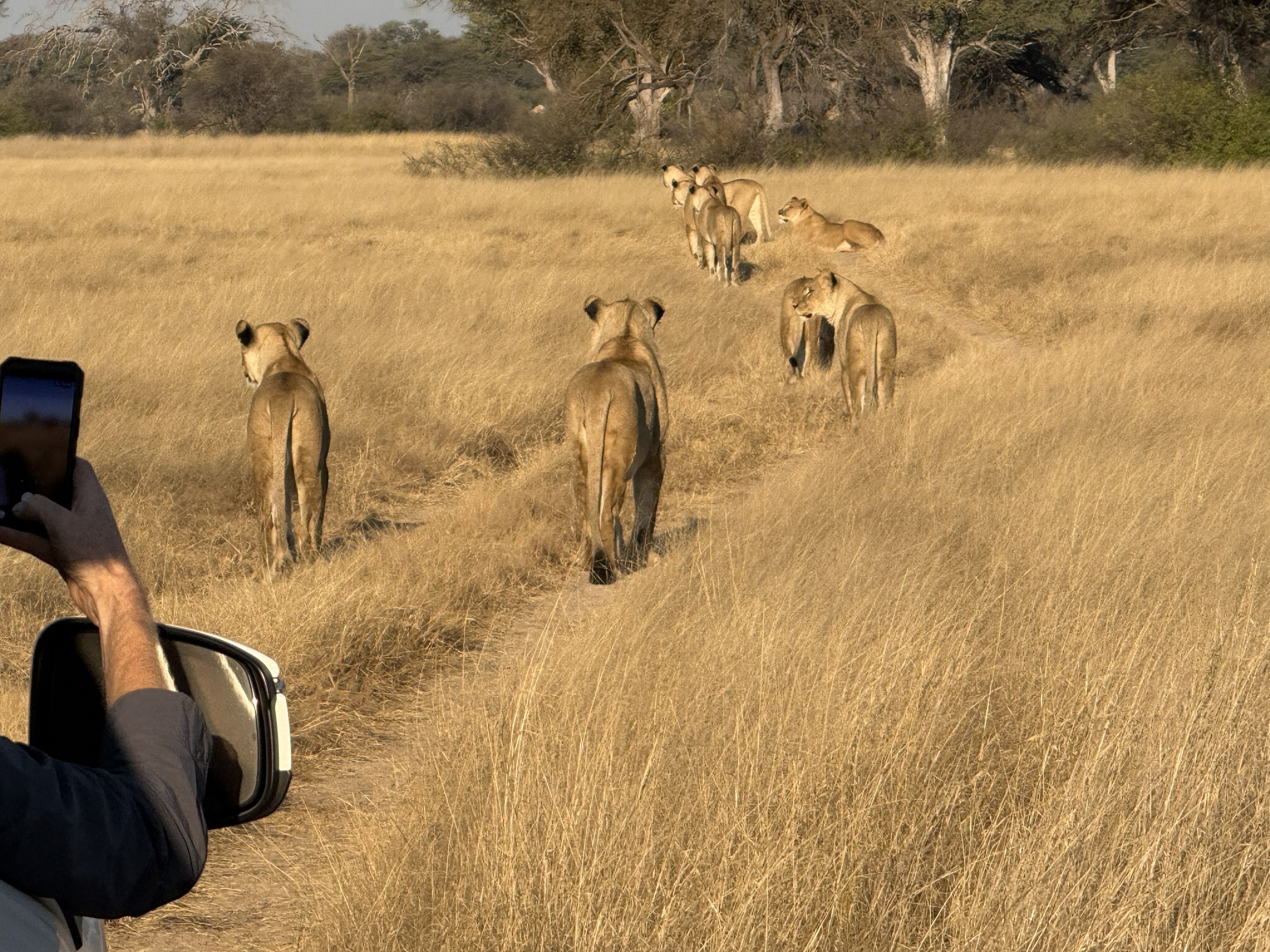
They walked a while, and then the male and a female lay down together in the road, close and easy, entirely unbothered by the vehicle a few yards off.
And the Rest of the Cast
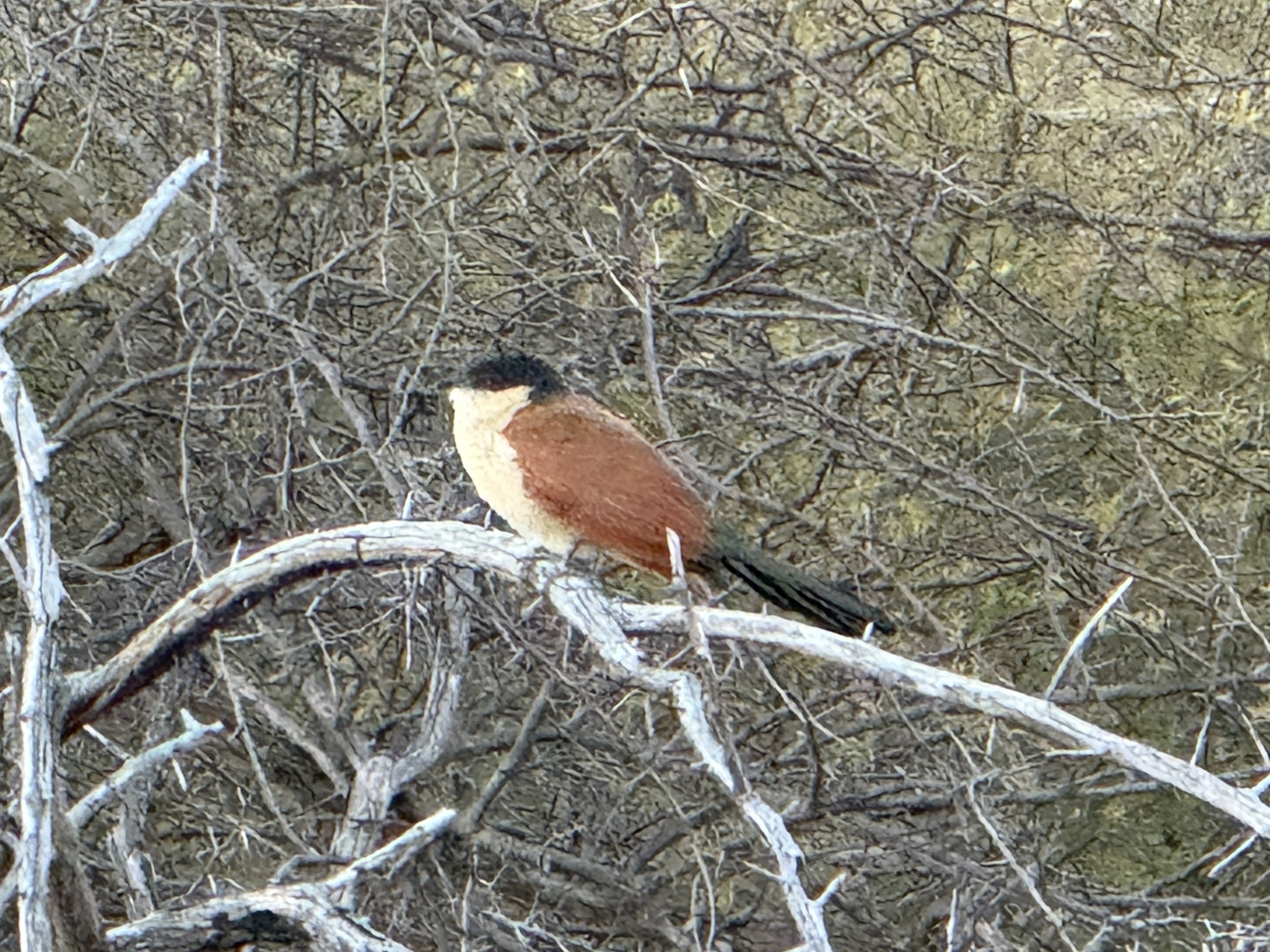
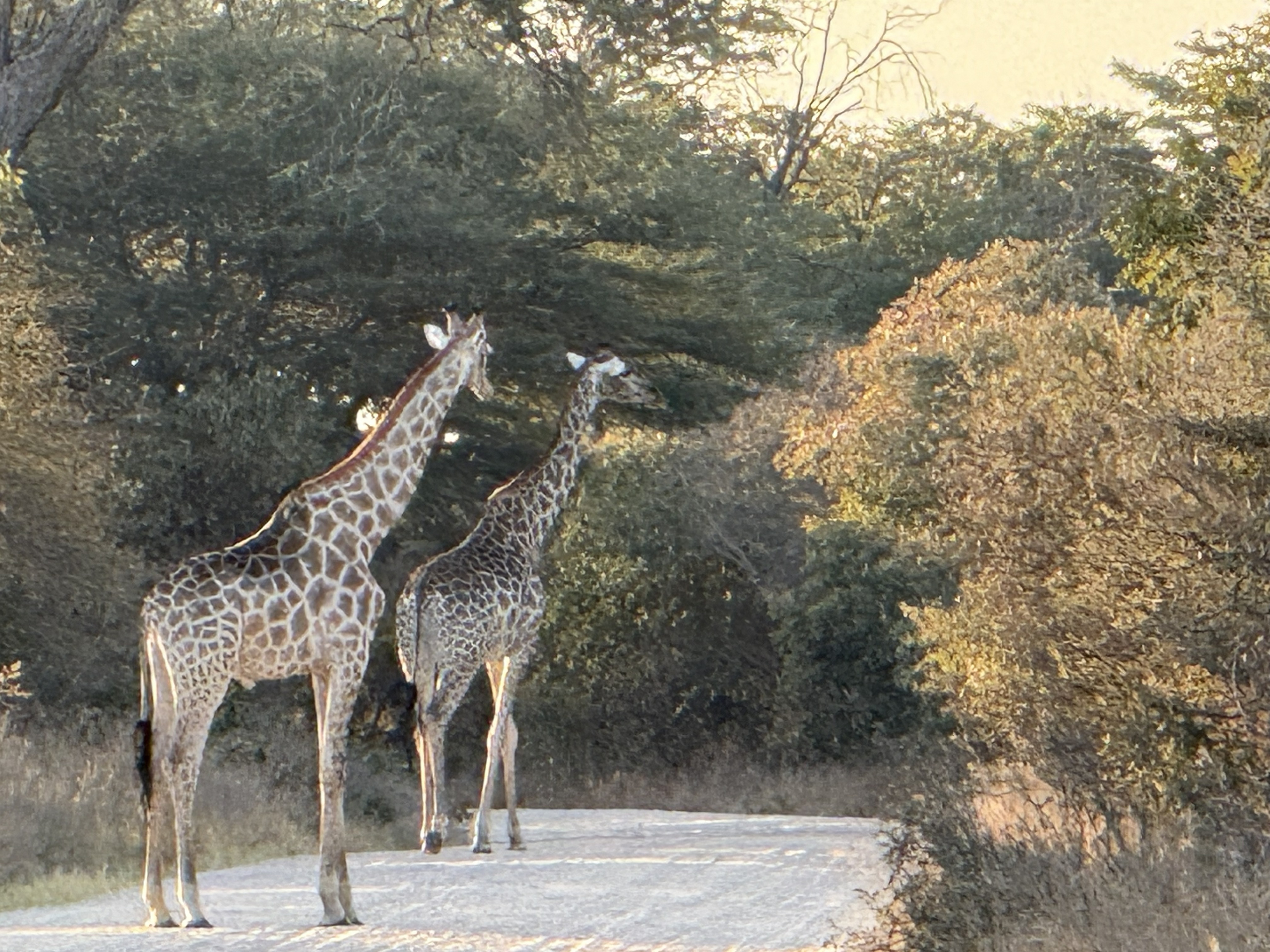
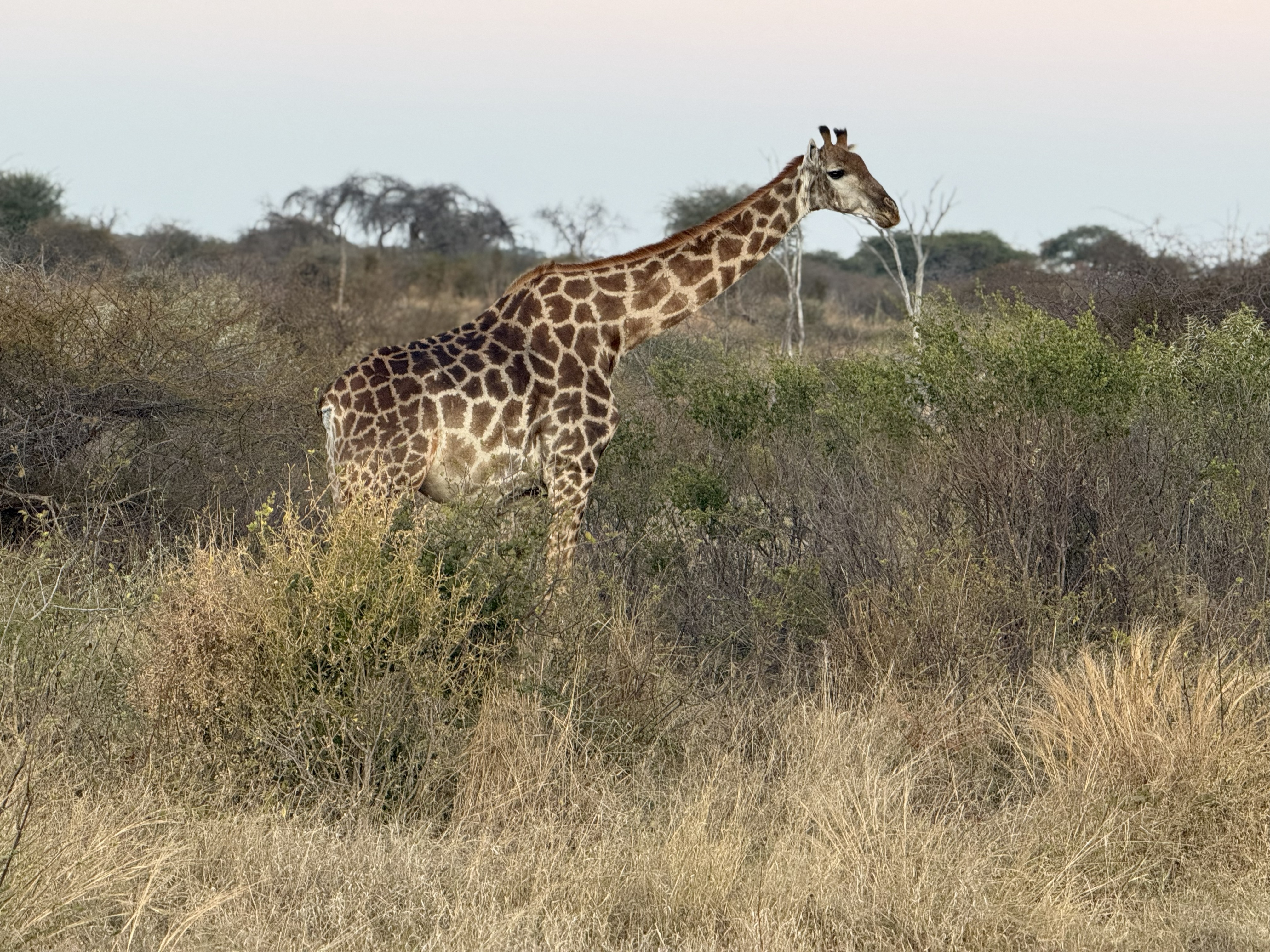
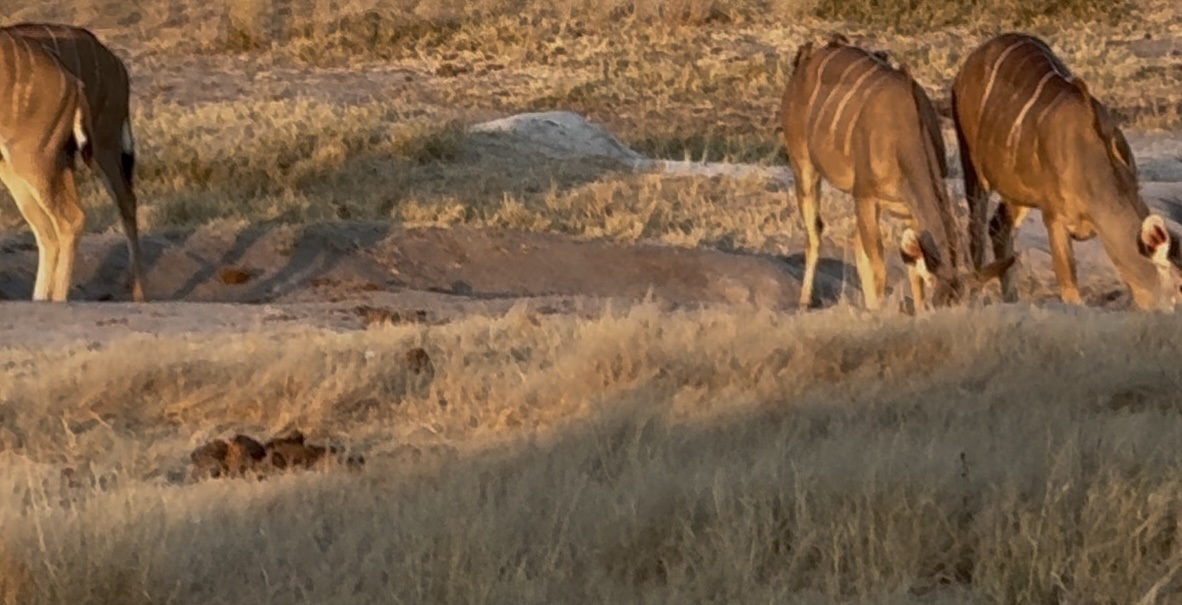
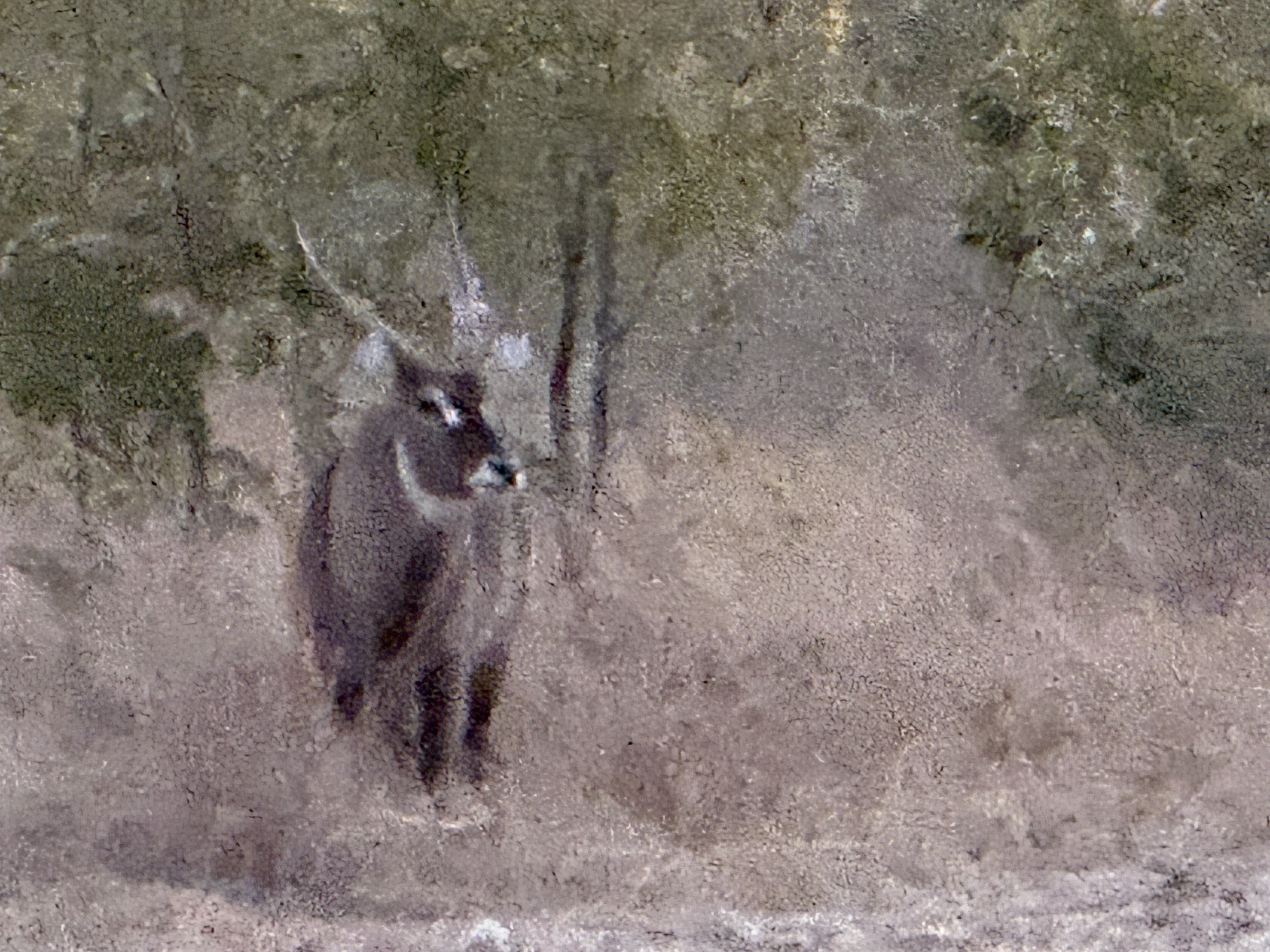
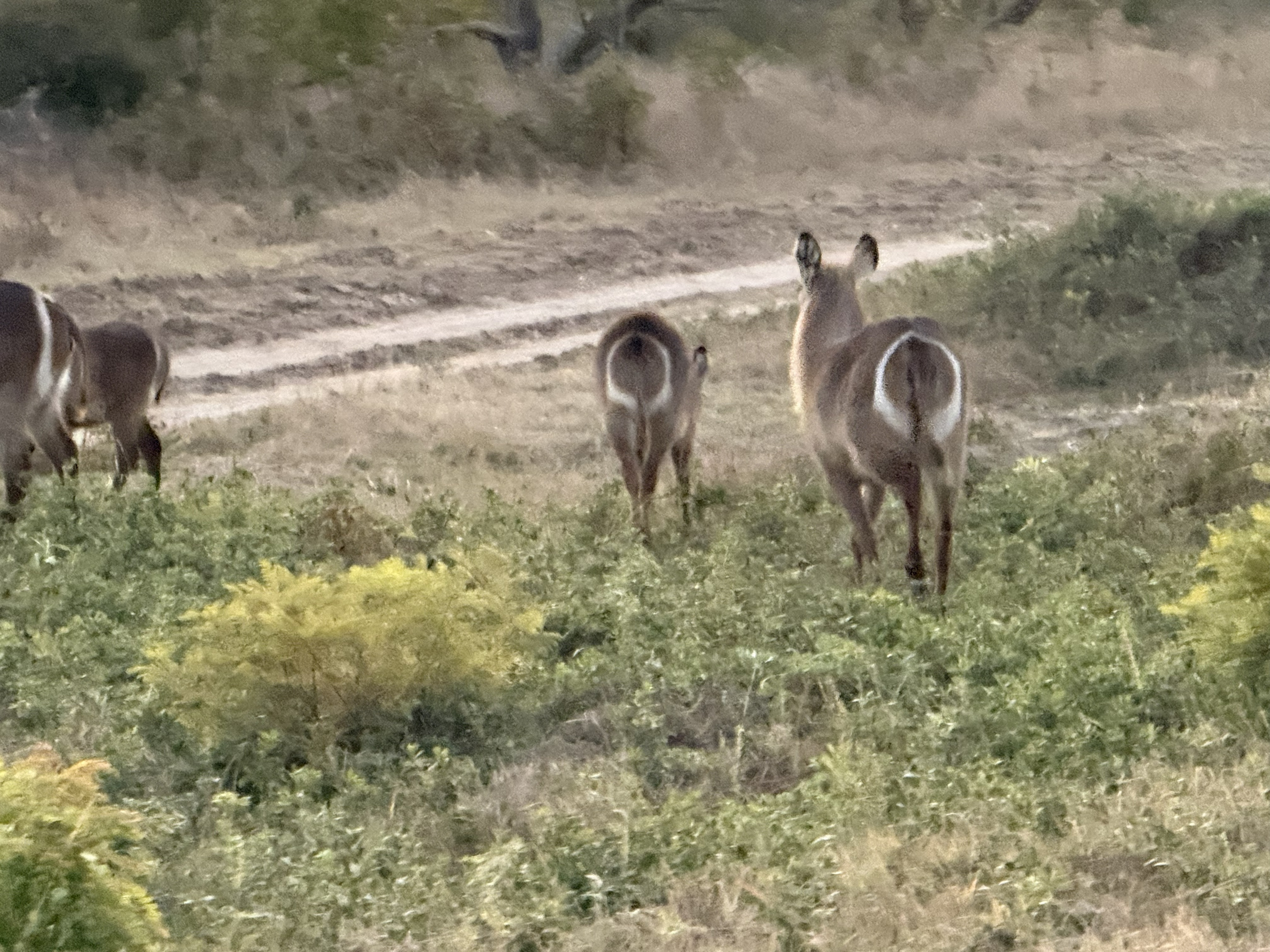
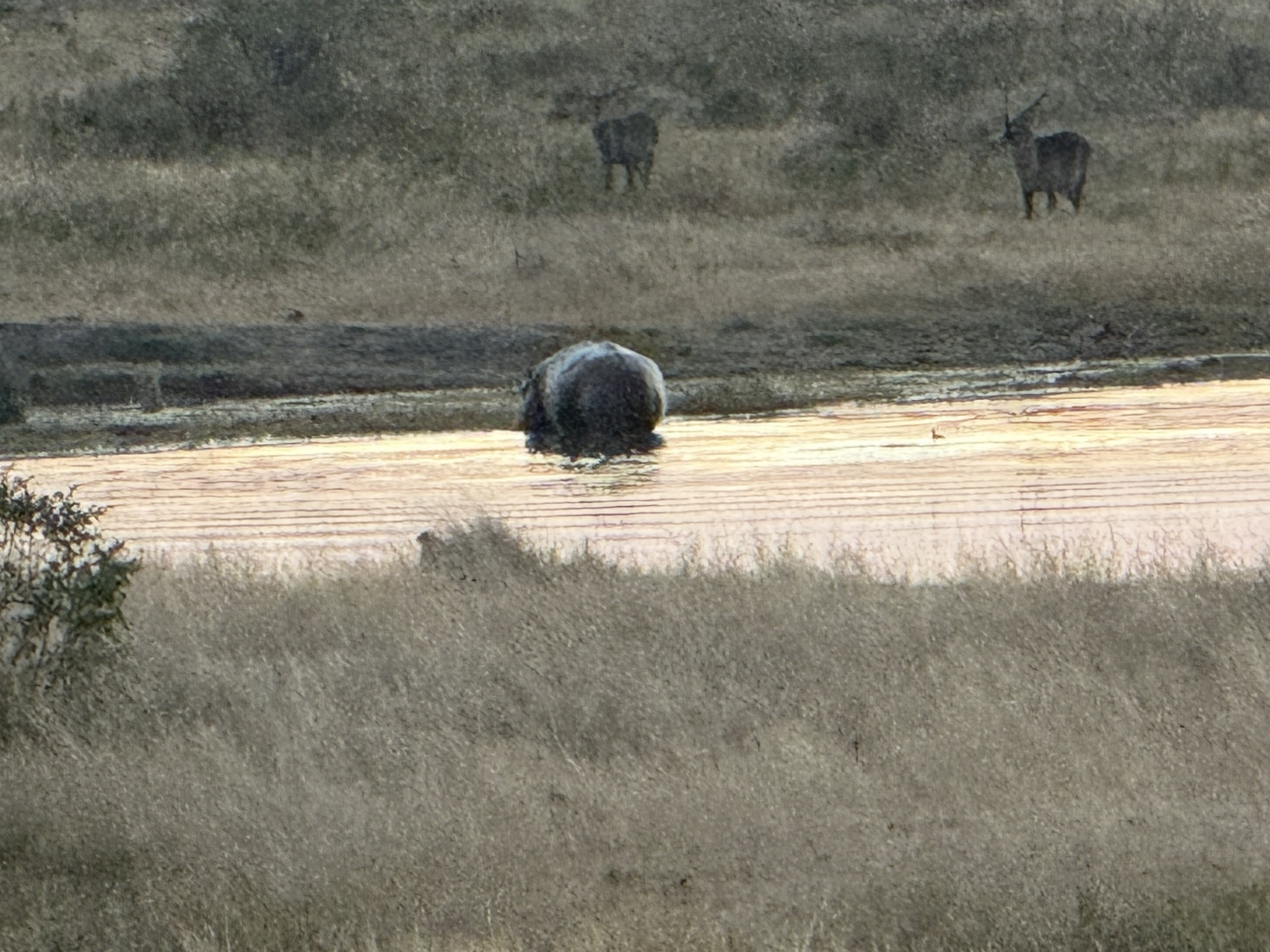
The lions were the event, but the drive kept giving after them.
Learning to See
That is the real story of a first game drive, and it is not the lions. It is that you arrive unable to tell one brown animal from another, and you leave having started to sort them. The progression, over a single afternoon, went roughly like this. “That's an impala” — said with confidence, because impala are the first thing anyone learns. Then: “what's that little one?” (the steenbok). Then, of a distant cluster: “I think those are kudu.” Then, a beat later and firmer: “yes, definitely kudu.” And finally, of the bird: “and apparently we saw a… bustard? I'm fairly sure they said bustard.” By the end of the drive we were doing, badly and with enormous satisfaction, the thing that everyone who spends time in the bush eventually does without thinking: reading the grass, sorting the shapes, turning “some kind of deer” into a name.
One Left
That night I did the tally, and it was a long one: lion, elephant, buffalo, hippo (distant), giraffe, kudu, waterbuck, steenbok, impala beyond counting, and a bustard that sounded like a swear word. One animal was missing. The one I had asked for. Dylan said we had two more drives tomorrow, and that if the painted dogs were going to happen, tomorrow was when.
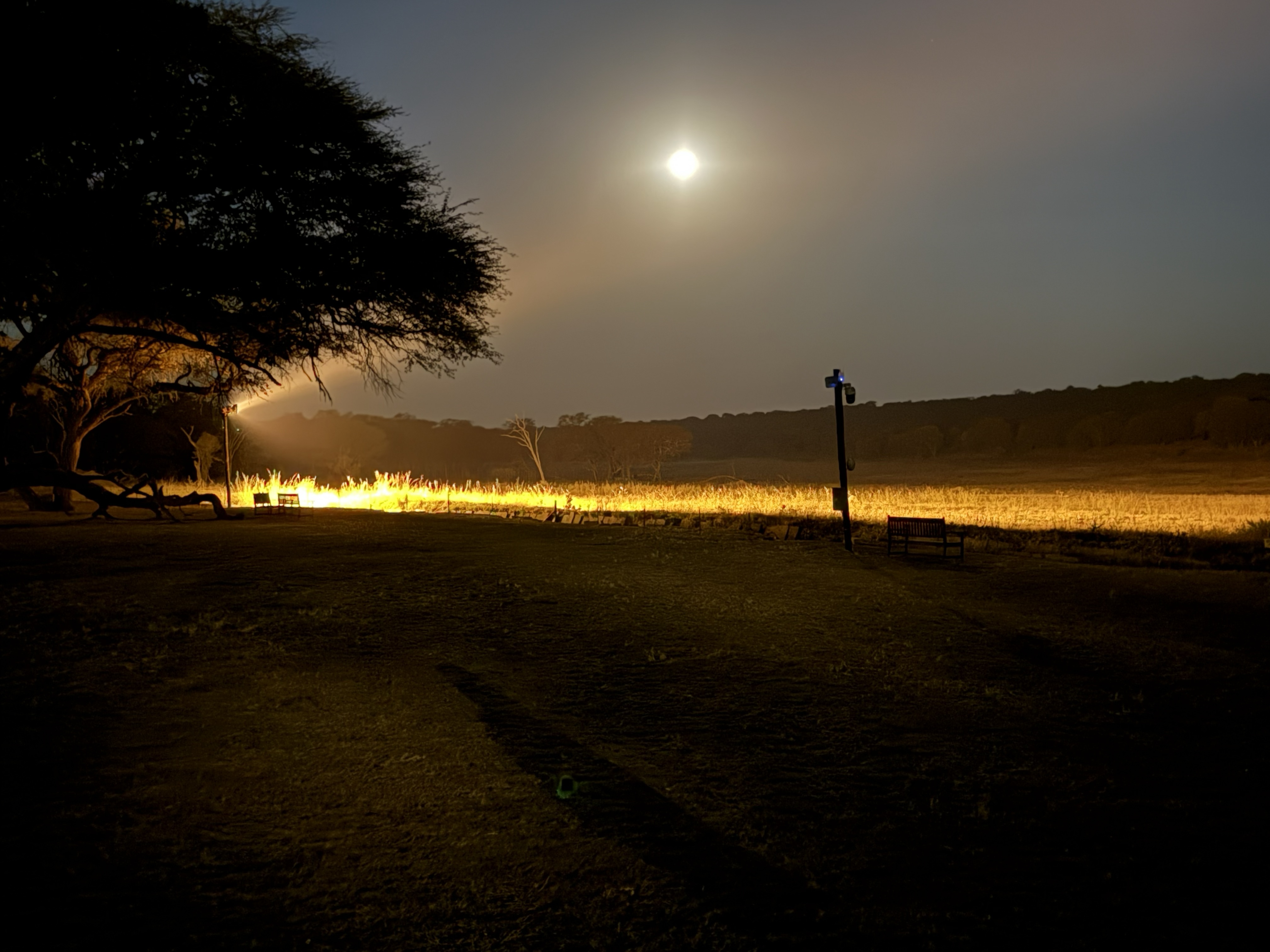
I went to bed in a cold room at the edge of that water, the full moon up over the tree line, listening to something large drink in the dark, hoping for dogs.