Day 18
Friday, July 10, 2026
The Cape Winelands — eleven wines, two estates, and the last supper
| Morning | Out of the city to Paarl. |
|---|---|
| Fairview: eleven wines, and cheese to match. | |
| Afternoon | Tokara, in Stellenbosch. |
| Evening | The last dinner together. |
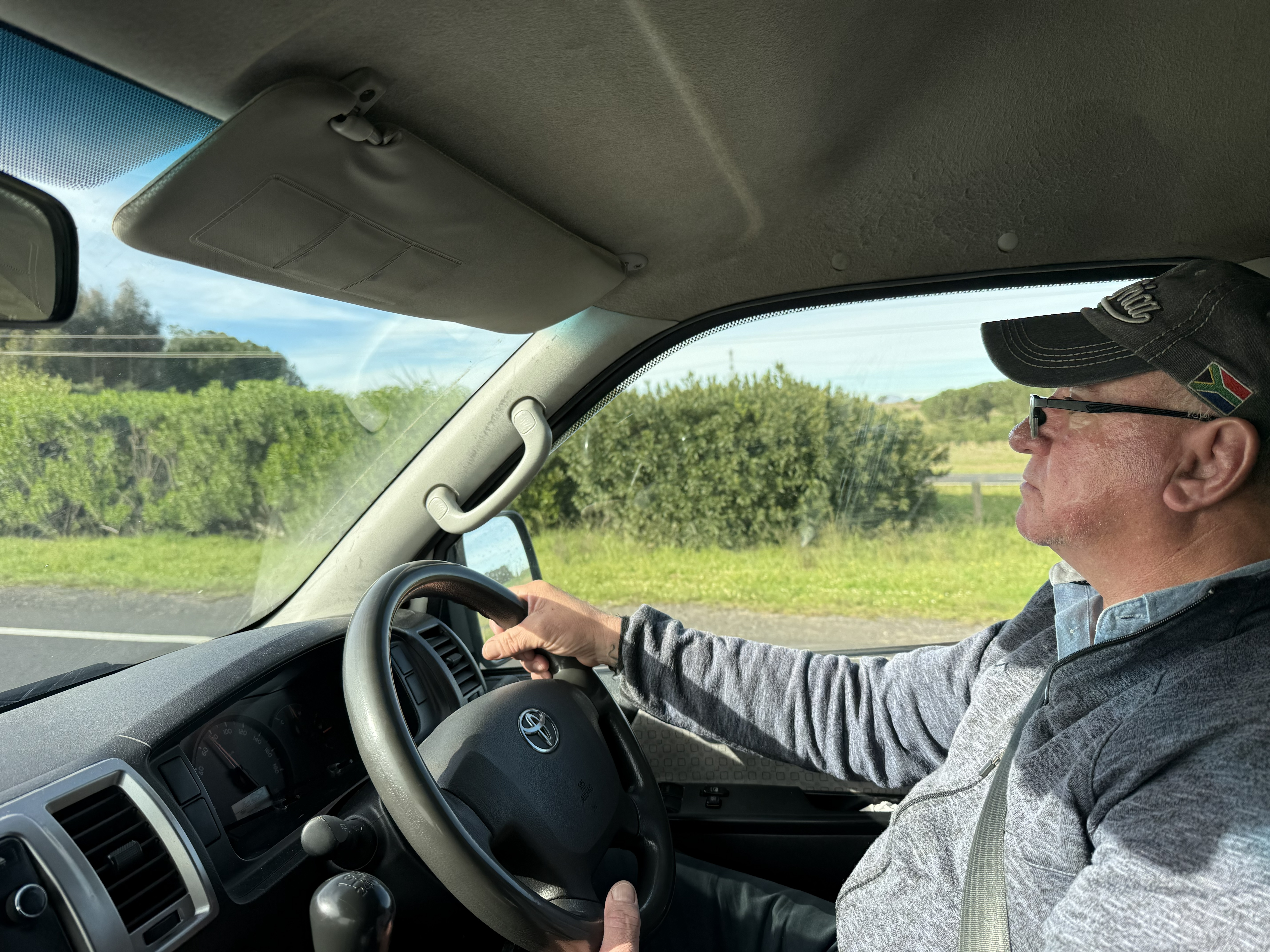
Today was officially a free day — no obligations, nothing scheduled, everyone at liberty to do whatever they liked with their last full day in South Africa. Every single one of us signed up for the wine tour. After eighteen days you would think a group might be ready for a few hours apart. Apparently not. The drive out of Cape Town took us past an air force base and, less happily, a large truck lying on its side by the roadside with recovery crews already working around it. We never learned what had happened, or whether anyone had been hurt. Then the city gave way to farmland, and the farmland to something specific: rows of bare winter vines running up to the mountains, with olive trees planted along the margins. Dylan used the drive to explain the whole business to us — the industry, and why this particular corner of the country grows both crisp whites and serious reds. Cold Atlantic air pushes inland and keeps the vineyards from overheating, so grapes ripen slowly and hold their acidity. The mountains break the land into dozens of little microclimates: one slope cool and windy and right for Sauvignon Blanc or Chenin, another warmer and sheltered and right for Cabernet, Syrah, or Pinotage. The summers are long and dry, the winters wet, and the soils are poor old granite and sandstone that make the vines work for a living. It is a very small area doing a very large number of different things at once. There are, he said, something like four hundred wineries around here — true enough as a count of producers, though far fewer are places you can simply walk into. Most grow grapes for someone else, make wine for export, or open only by appointment. The Fairviews and Tokaras, with their tasting rooms and restaurants and car parks, are the small minority built to receive visitors at all.
Fairview
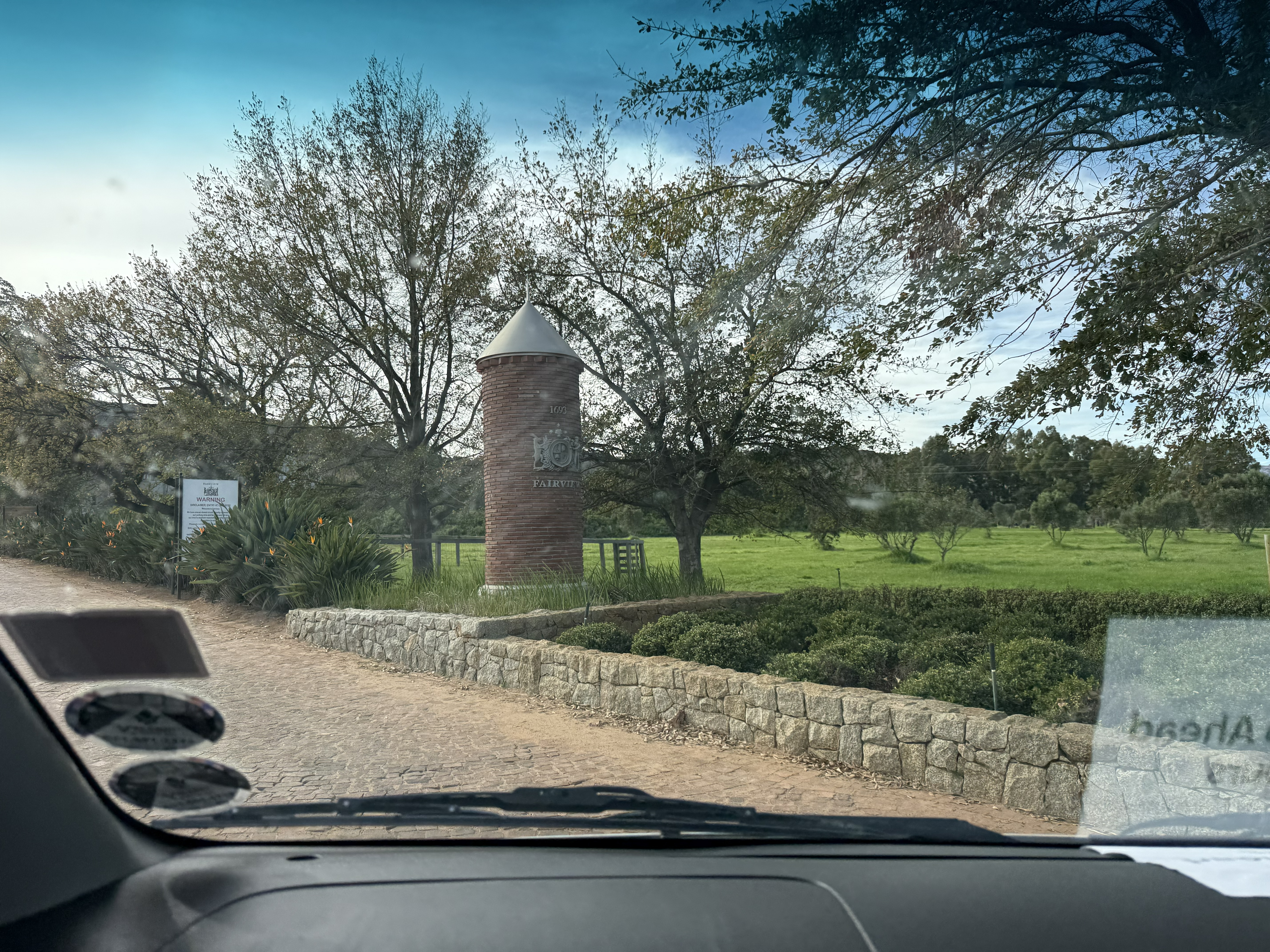
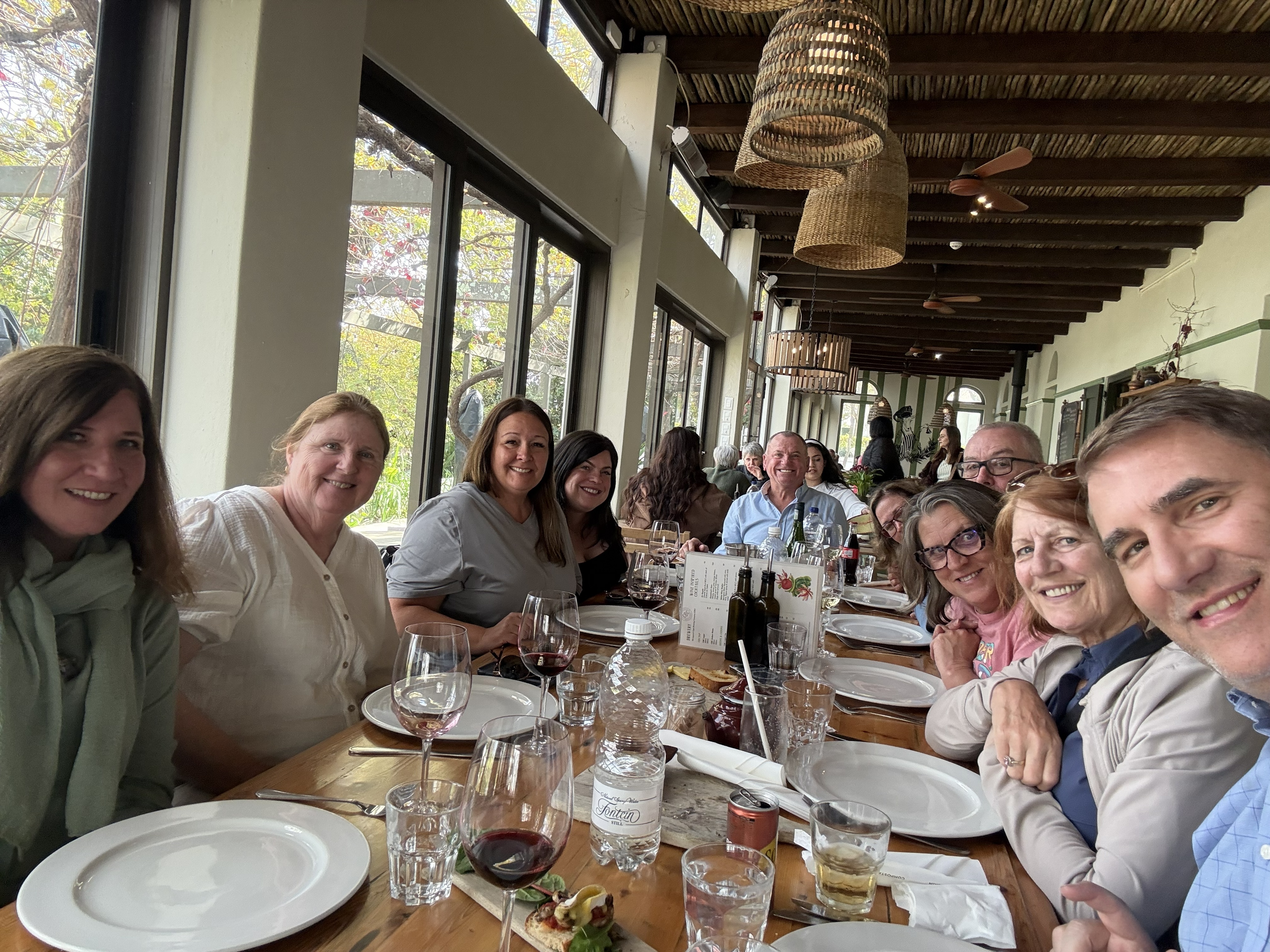
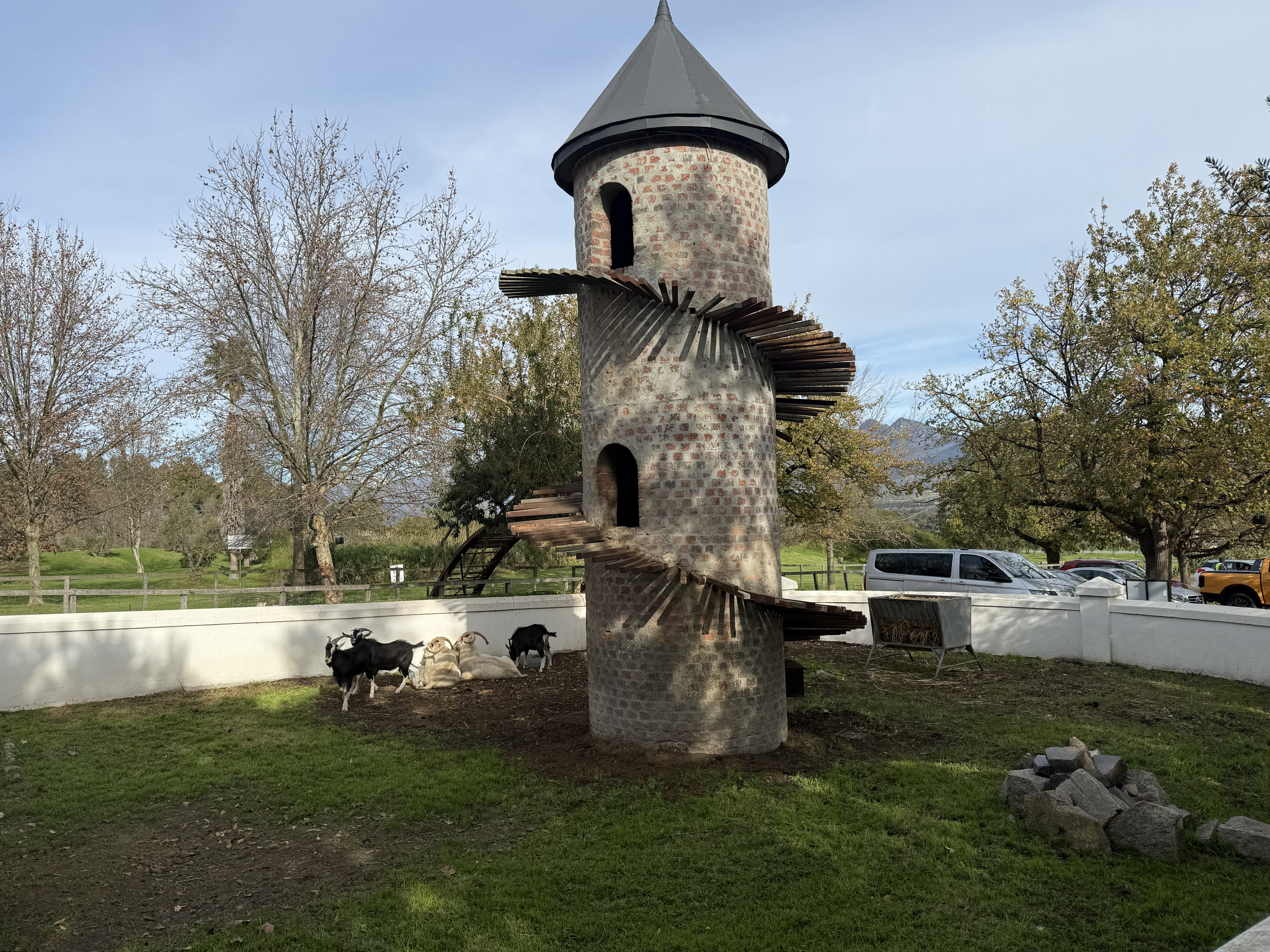
Fairview is an old place — the farm dates to 1693, when it was granted under a name meaning “cauliflower spring,” and the first wine was made here six years later. The Back family bought it in 1937 and have run it ever since. Along the way it became as famous for cheese as for wine: there is a herd of well over a thousand goats on the property, and a cheesery going since the early eighties. The estate's cheerfully unserious wine range, Goats do Roam, is a pun on Côtes du Rhône that the French are said not to have found funny — and it is named for a real incident, when a young Back left a gate open and the goats went through the vineyards helping themselves to the ripest fruit they could find. They poured us eleven wines. Eleven. With generous measures, in the pleasant, unhurried, entirely unsupervised way of a place confident in what it makes.
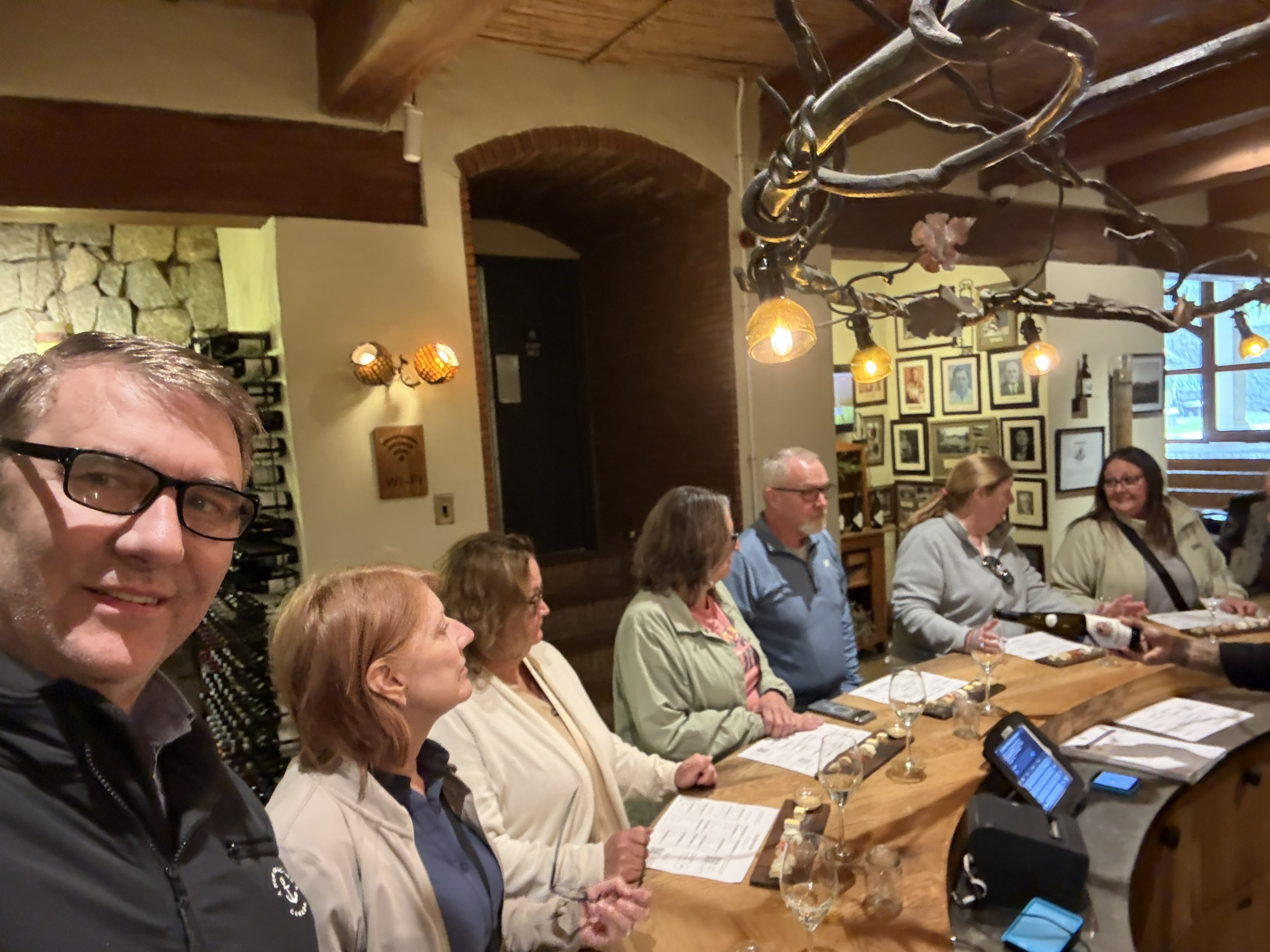
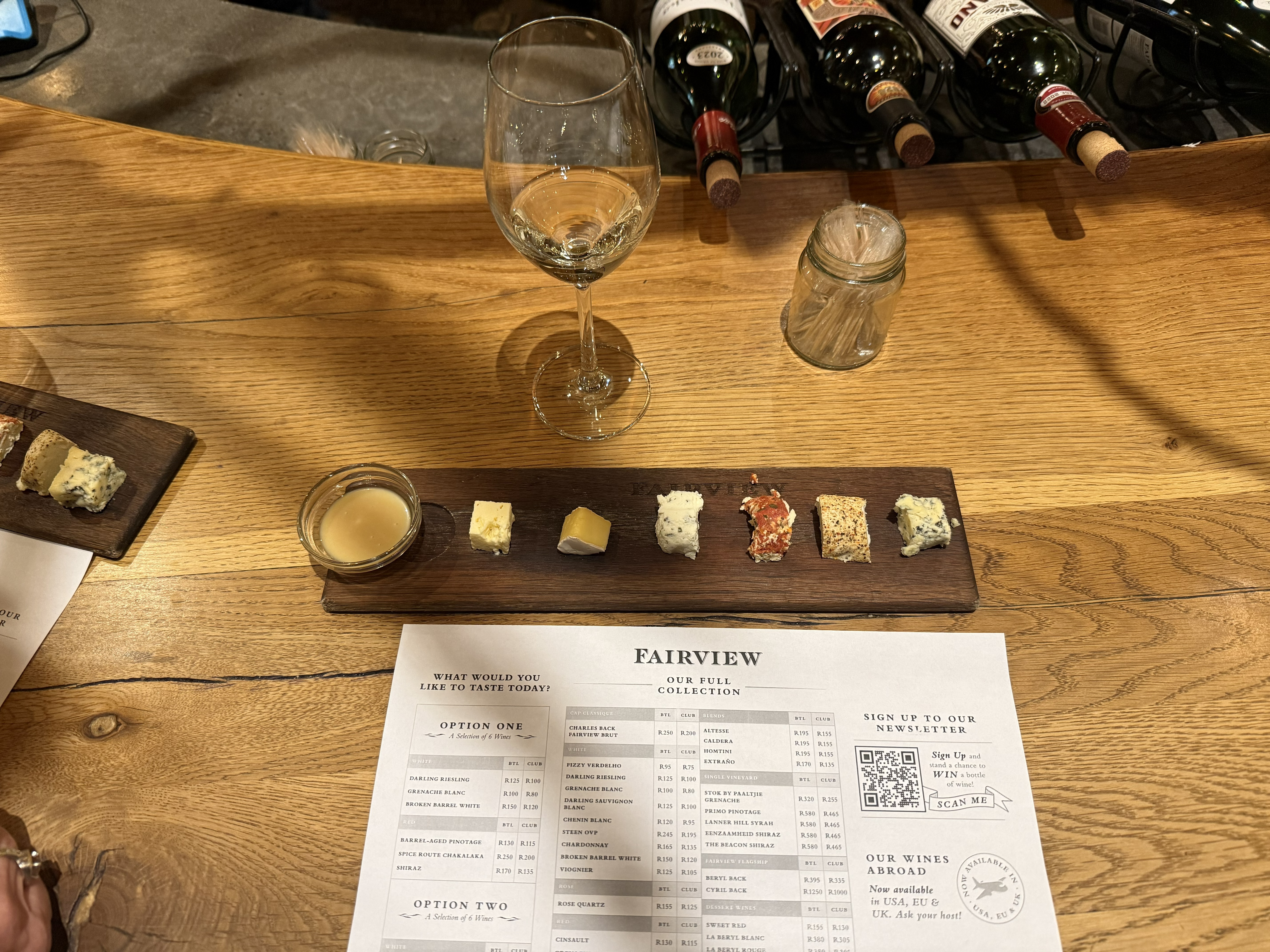
I should admit here that I am not much of a wine drinker. Eleven generous pours is a great deal of wine for a man who mostly doesn't, and so a certain amount of quiet redistribution took place — a splash from my glass into Bonnie's, another into Tara's, repeated as necessary. Nobody objected. Everyone else seemed to think this arrangement worked out rather well. Then lunch in the estate's restaurant, which was lovely, and a look at the goats afterwards.
Tokara
The afternoon's stop was Tokara, over in Stellenbosch, and it could hardly have been more different — which was, I suppose, the point of pairing the two.
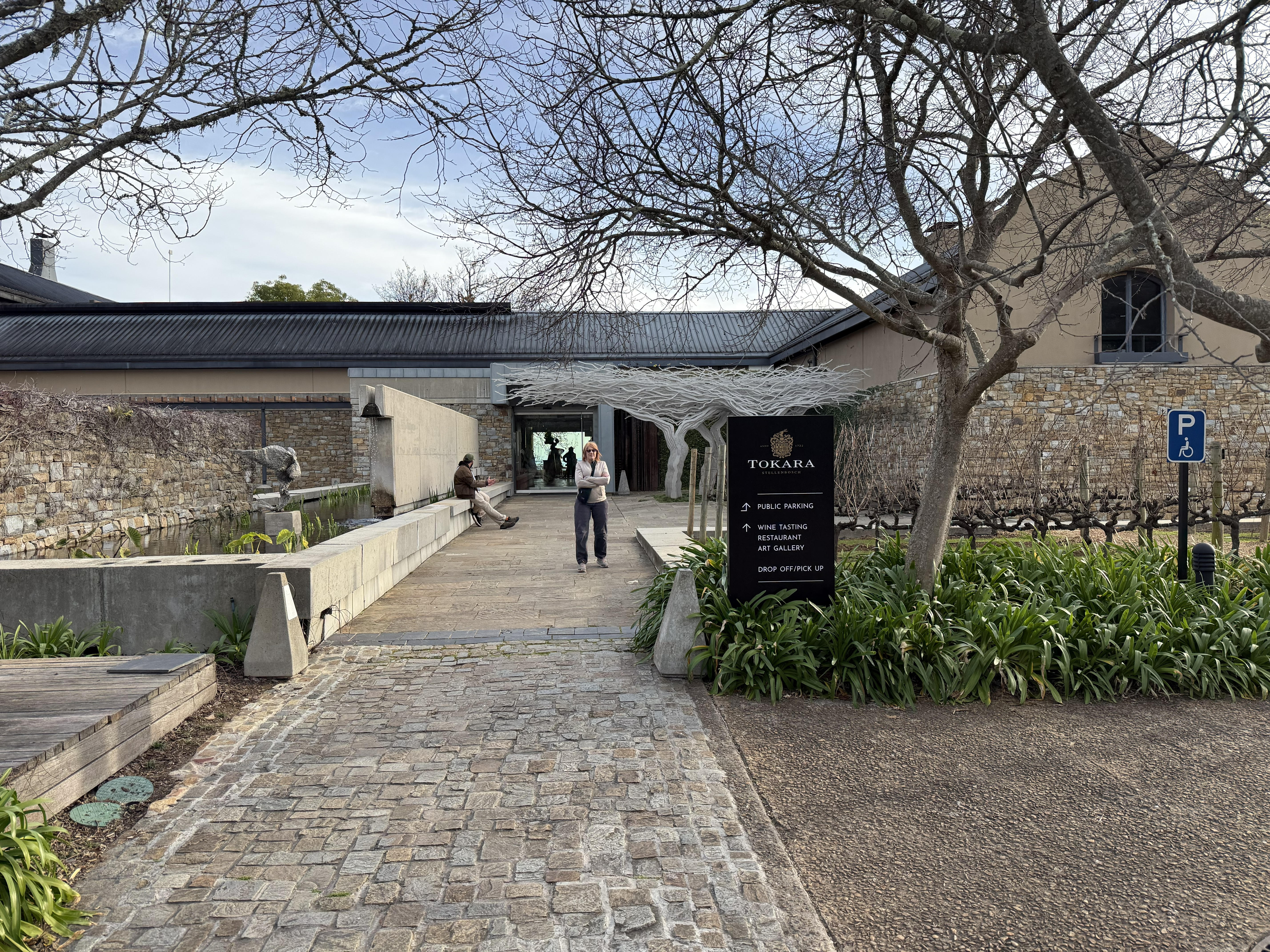
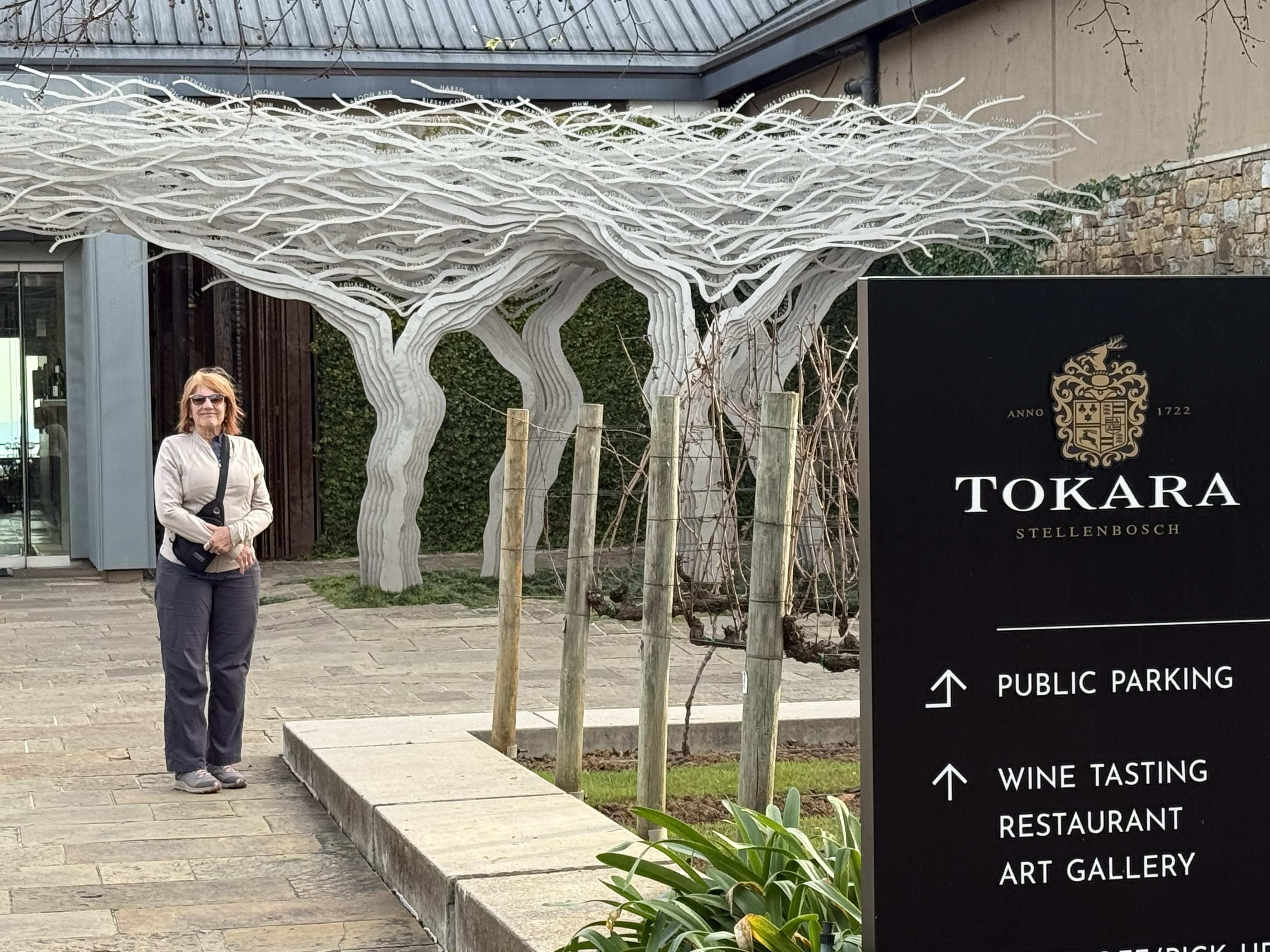
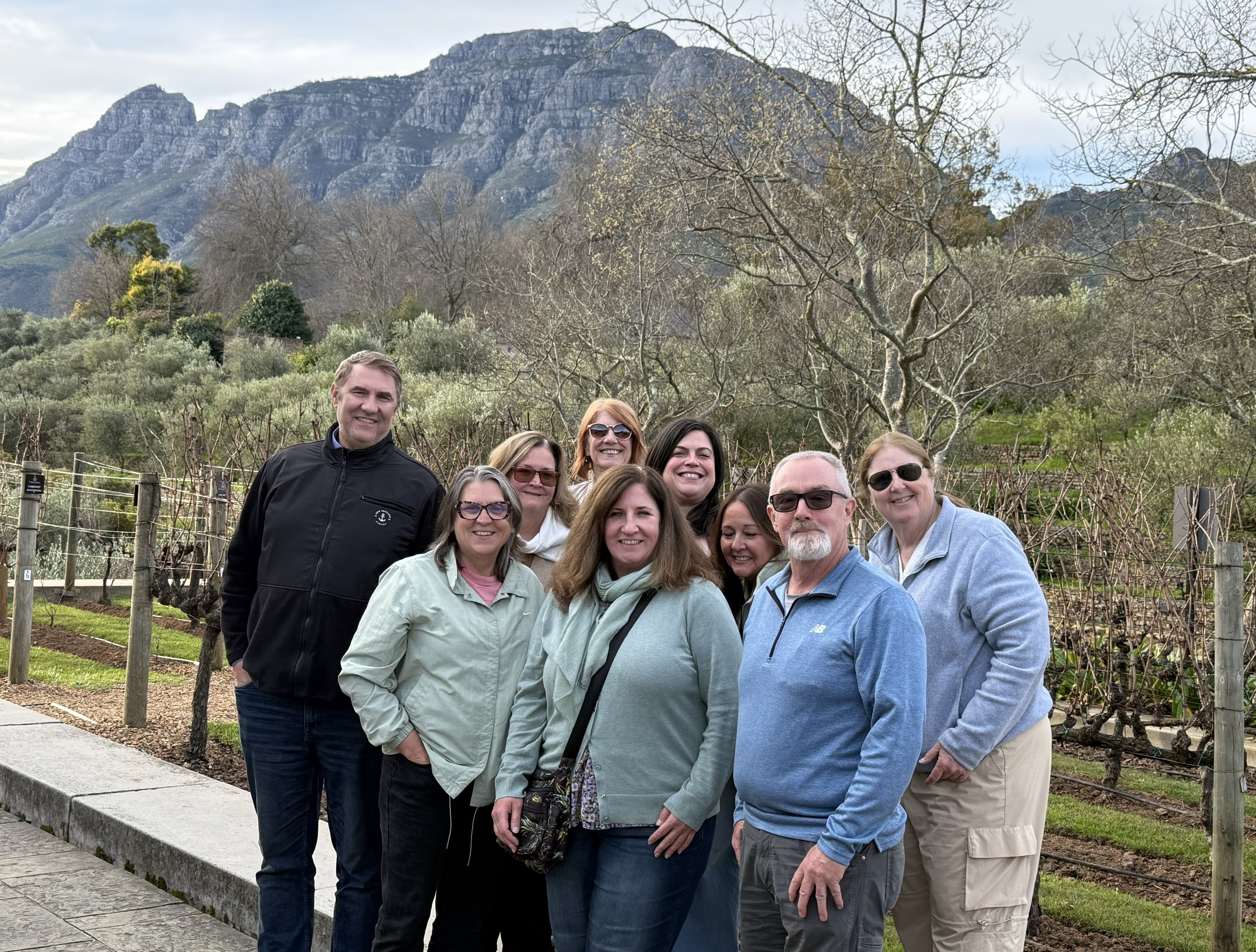
At Tokara we were given two wines, a white and a red, with not much said about either. After the generosity and good humour of the morning it was, frankly, a letdown — a beautiful building and a thin experience. The setting, though, is genuinely spectacular.
The Last Supper
And then, that evening, the final dinner — all of us together for the last time, at a long table, after eighteen days that had taken us from Kruger to Victoria Falls to Hwange to Chobe to the Delta and back to the Cape.
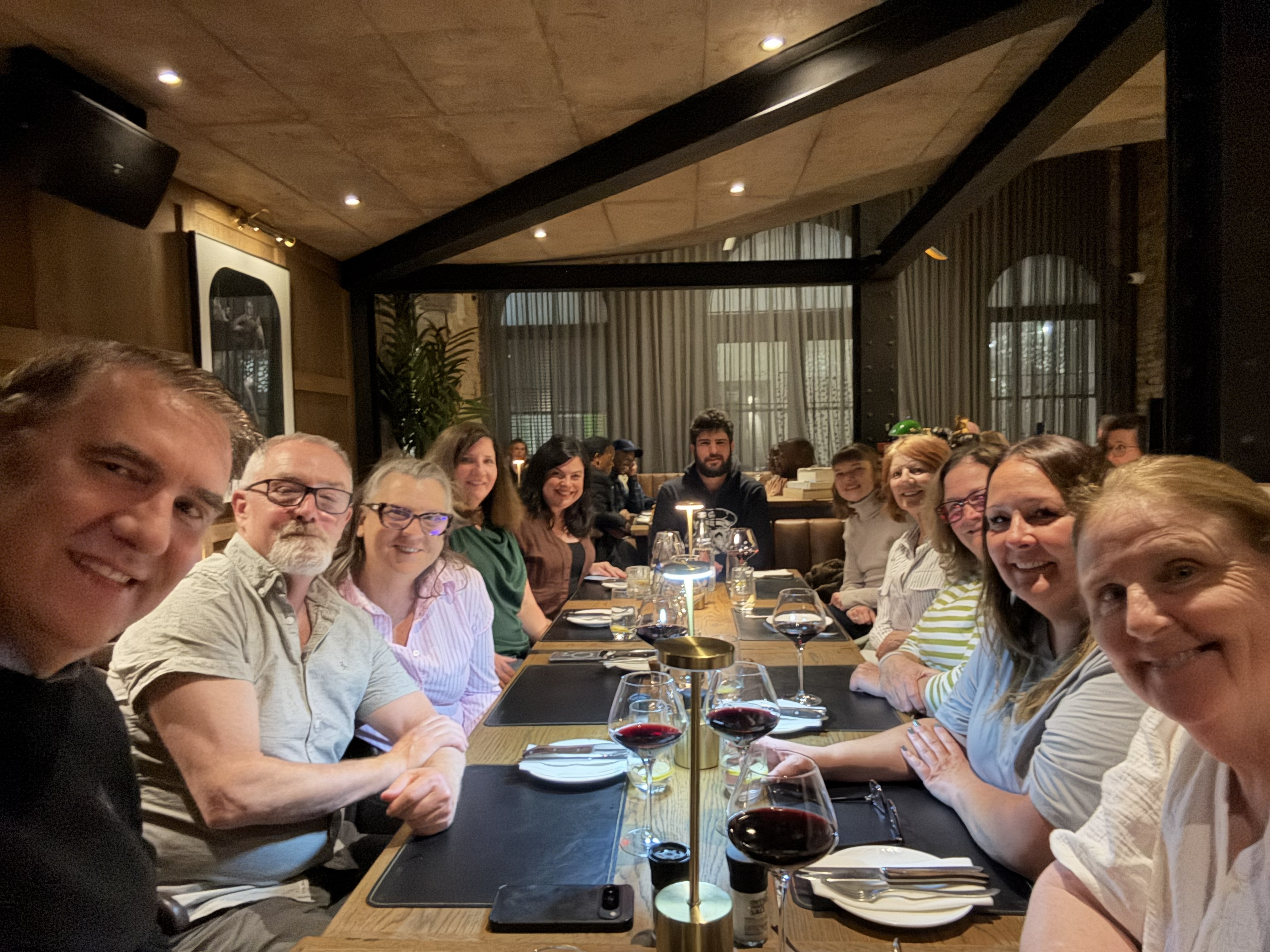
And at the end of it we tipped Dylan and said our goodbyes. He had been a wonderful guide. He was remarkably knowledgeable — he knew the names of very nearly every animal, bird, and plant we came across, across three countries and several thousand miles — and he was more than competent, which is the least of it. What set him apart was that he was genuinely invested in whether we were enjoying ourselves, and quick to notice when someone wasn't. He set the tone of the whole trip, and it was a far better trip than it might have been in other hands. Afterwards the group went out to keep the evening going. Eric ran Bonnie and me back to the hotel instead. Bonnie was the oldest of the group and I was not far behind her, and she said, simply, that she couldn't manage another round of it. Nor, in truth, could I — I have never been a partier. I am an introvert, and after eighteen days of being agreeably surrounded by people every waking hour, what I wanted was a quiet room. So we were the party poopers of the final night, and I regret it not at all.
It was the right way to end it. Not a crescendo — we'd had those — but a long, warm, slightly tipsy day among people who eighteen days ago had been strangers, in a valley full of vines with mountains all round it. Tomorrow we would fly home.